

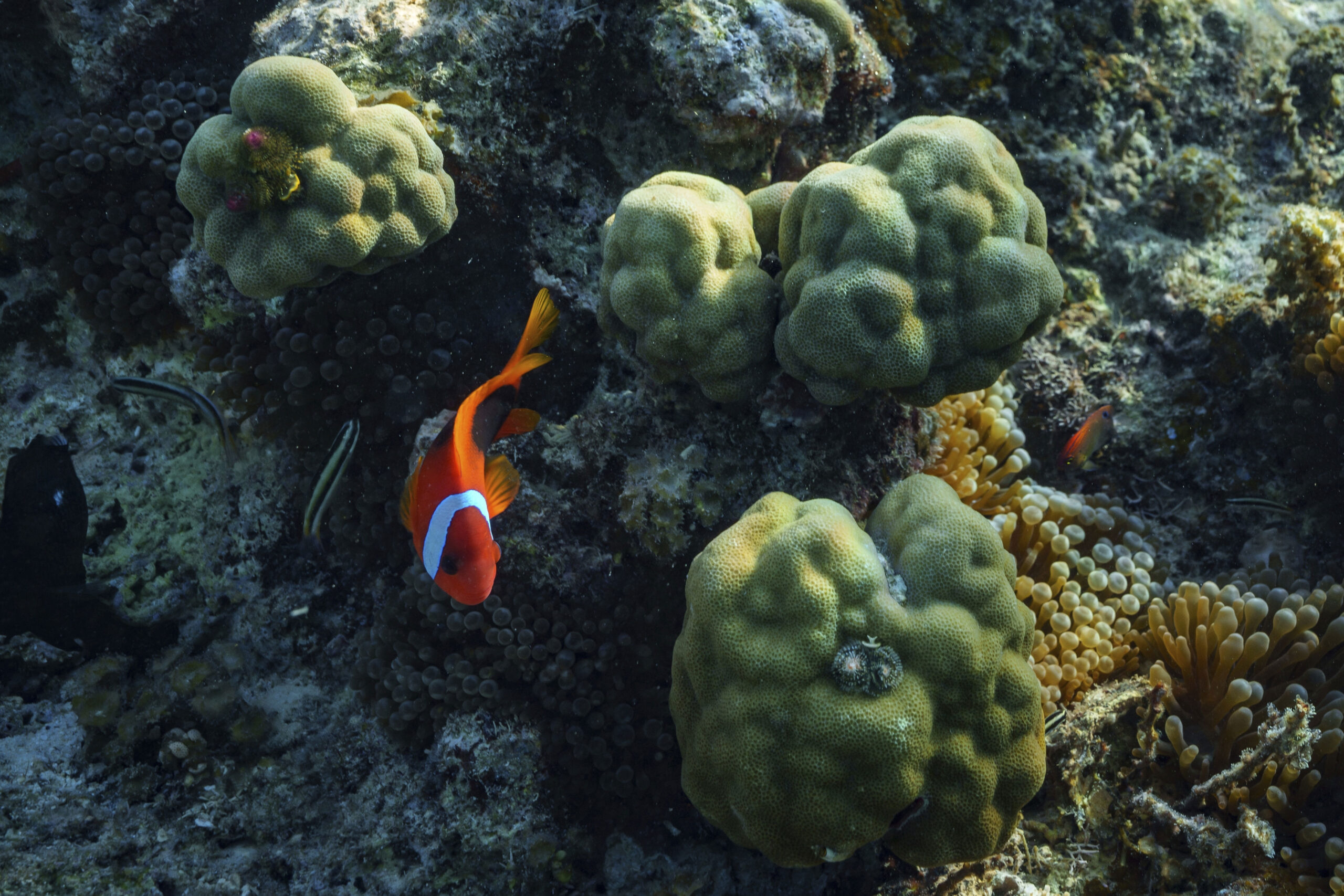
A landmark international agreement aimed at safeguarding marine life beyond national jurisdiction has officially entered into force, marking a historic milestone in ocean conservation. The Biodiversity Beyond National Jurisdiction (BBNJ) Agreement, commonly called the High Seas Treaty, came into effect on 17 January 2026 after securing the required number of ratifications, creating the first legally binding framework for protecting biodiversity in the vast waters that lie outside any one country’s control.
These international waters, known as the high seas, cover about two-thirds of the world’s oceans and house a rich array of ecosystems — from deep-sea corals to migrating whales — that have long lacked comprehensive global governance. Under the new treaty, nations can establish marine protected areas, conduct environmental impact assessments before approving potentially harmful activities like deep-sea mining or industrial fishing, and cooperate on research and sustainable use of marine genetic resources.
Adopted almost two decades after negotiations began, the agreement plugs a major gap in international law. Governments and conservation groups are now turning to implementation and enforcement, emphasizing that success will depend on translating the treaty’s goals into concrete protections on the world’s open seas. News as reported

- upgraderz.aws@gmail.com
- upgraderz.aws@gmail.com
- upgraderz.aws@gmail.com
- upgraderz.aws@gmail.com