

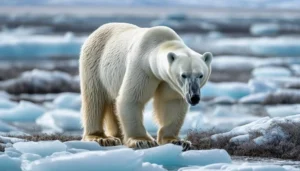
Scientists have identified new genetic changes in polar bears that may offer the species a better chance of surviving rapid Arctic warming. In a recent study, researchers analyzed DNA samples from multiple polar bear populations across the Arctic and discovered variations in genes linked to heat tolerance, metabolism, and cardiovascular function. These changes appear to have emerged within the last few generations—an unusually fast pace for large mammals.
According to the research team, the most notable adaptations involve genes that regulate fat processing and body temperature. As sea ice continues to melt earlier each spring, polar bears are spending more time on land, where they endure higher temperatures and must search for alternative food sources. The genetic shifts may help them cope with these new conditions by improving their ability to conserve energy and regulate heat.
While the findings offer a glimmer of hope, scientists caution that genetic adaptation alone cannot offset the rapid loss of sea ice habitat. Polar bears still rely on ice for hunting seals, their primary prey, and for long-distance travel. Researchers say the study highlights the urgency of slowing climate change but also underscores the species’ resilience. Further monitoring will determine whether these genetic changes continue to spread and meaningfully support polar bear survival.
