

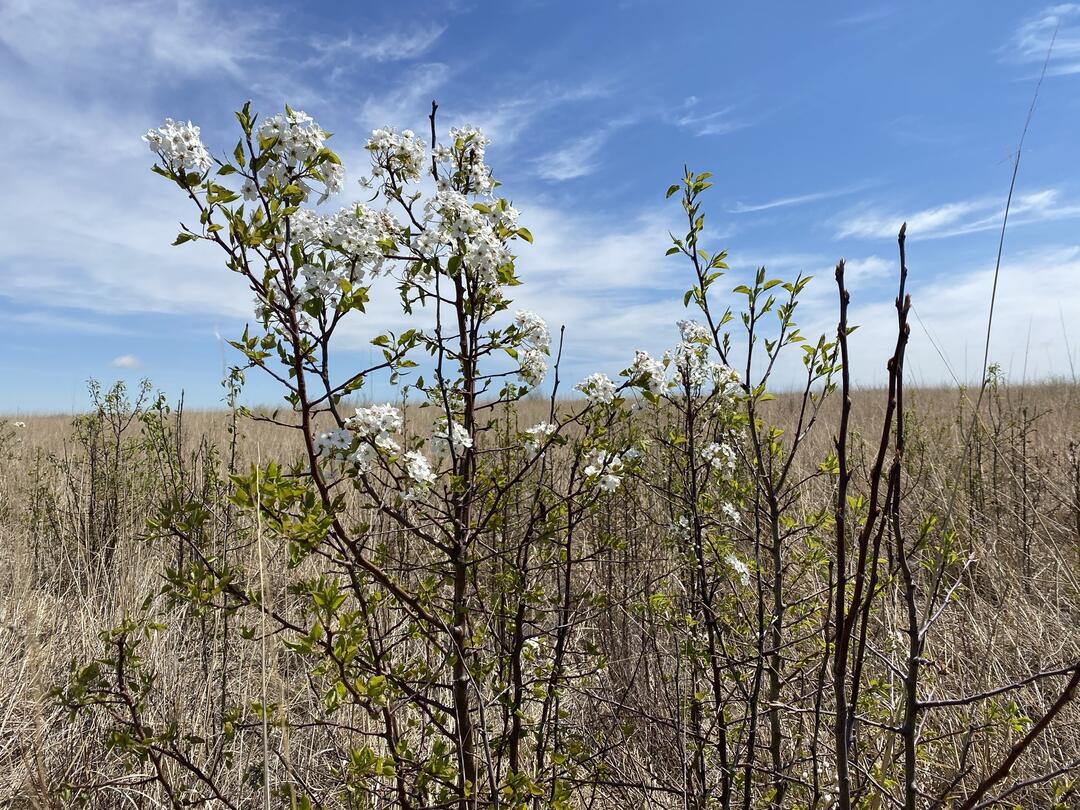
National Invasive Species Awareness Week has begun with renewed campaigns urging communities, farmers, and policymakers to take stronger action against harmful non-native plants threatening ecosystems and agriculture. Environmental agencies and conservation groups are organizing workshops, field clean-ups, and educational drives to raise awareness about the ecological and economic damage caused by invasive species.
Experts warn that fast-spreading plants such as water hyacinth and aggressive weeds can outcompete native vegetation, reduce biodiversity, clog waterways, and disrupt farming systems. Once established, these species are difficult and costly to control, often requiring coordinated long-term management strategies.
Officials emphasize early detection and rapid response as the most effective tools to prevent large-scale spread. Public participation is also crucial, with campaigns encouraging citizens to avoid planting invasive ornamentals, report new infestations, and support habitat restoration projects.
Climate change and global trade have further accelerated the movement and establishment of non-native species, increasing the urgency of preventive measures. Conservationists say protecting native ecosystems not only preserves biodiversity but also safeguards food security, water resources, and livelihoods.
As the week unfolds, authorities are calling for sustained collaboration between governments, researchers, and local communities to strengthen biosecurity systems and promote responsible land management practices. News as reported
