

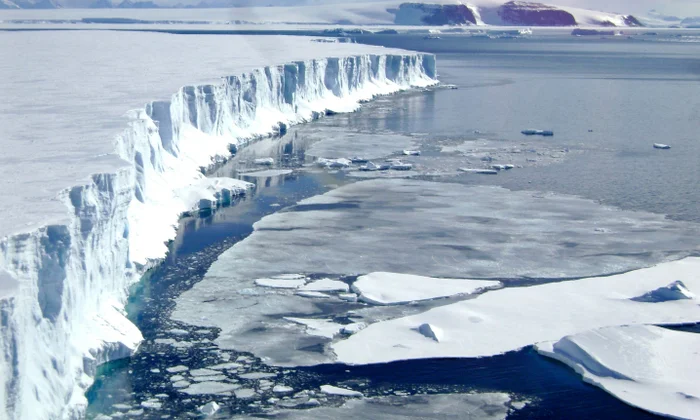
NASA and climate researchers are raising alarms about an accelerated decline in Arctic sea ice in early 2026, highlighting deepening concerns about climate change impacts. Satellite and observational data from NASA and partner agencies show that the Arctic’s ice cover continues to shrink far below the long-term average, with multi-decade measurements indicating a roughly 12–12.5 % decrease in sea ice extent per decade compared with late-20th-century baselines.
Arctic sea ice plays a critical role in the global climate system by reflecting sunlight and regulating ocean and atmospheric circulation. As this ice diminishes, darker ocean waters absorb more heat, further warming the region and creating a positive feedback loop that accelerates melting. The Arctic has been warming several times faster than the global average — a phenomenon known as Arctic amplification — intensifying ice loss and reshaping local ecosystems.
Scientists warn this trend could lead to virtually ice-free Arctic summers within the next two decades, with broad implications for global weather patterns, sea level rise, and wildlife habitats. The rapidly changing cryosphere underscores the urgent need for stronger climate action and monitoring efforts to understand and address cascading environmental impacts. News as reported
