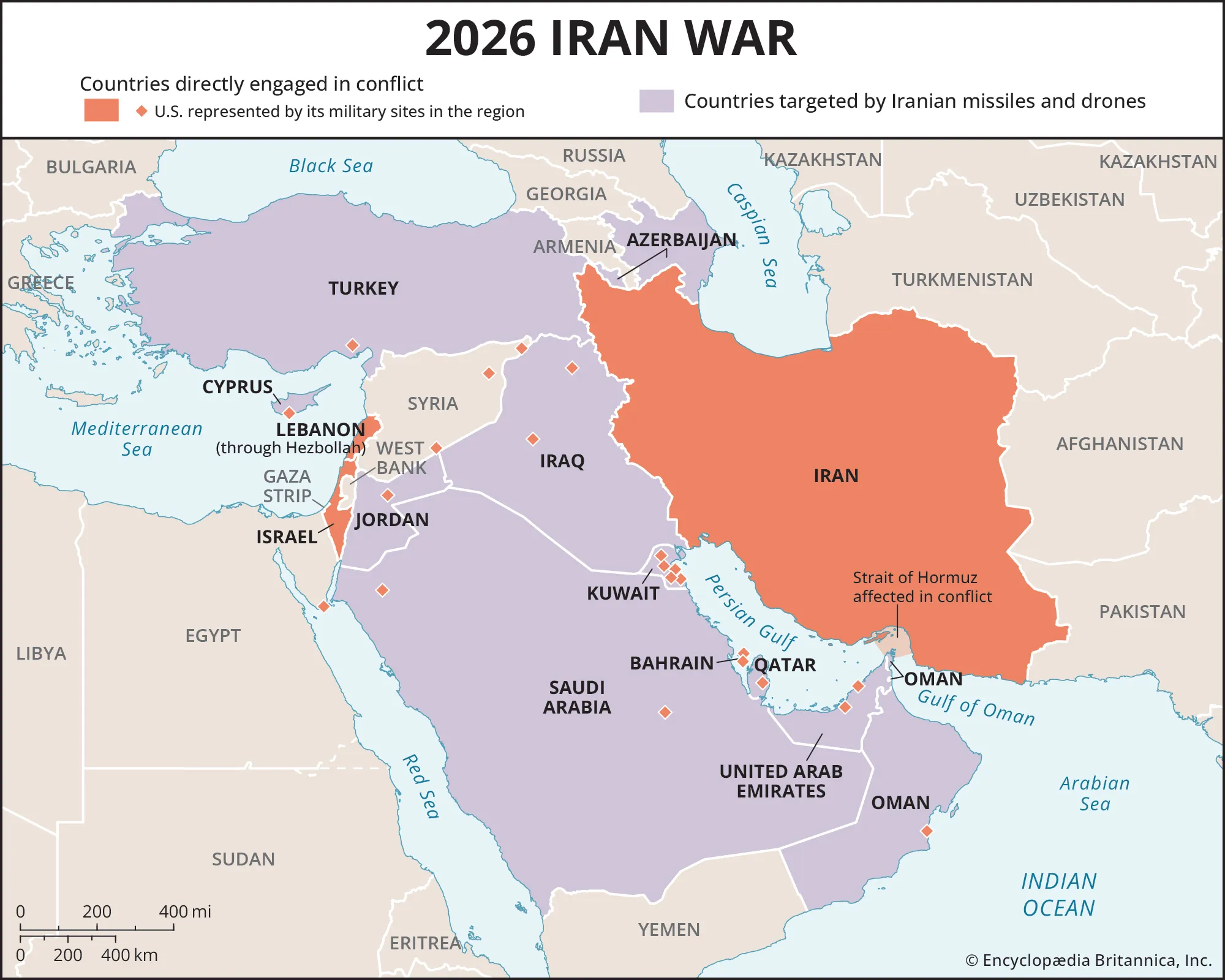
Tensions across the Middle East continue to rise as military warnings and retaliatory threats increase, while international leaders push for diplomacy to prevent a wider regional conflict. Recent developments involving Iran, Israel, and the United States have raised global concerns about stability in the region.
The situation escalated after reported strikes on Iranian energy infrastructure and subsequent warnings from Tehran that it could target energy facilities in Gulf countries if hostilities continue. These threats have increased fears of disruption to oil supplies and global energy markets.
Meanwhile, several countries have urged restraint and intensified diplomatic efforts to prevent the conflict from expanding further. Governments and international organizations are encouraging dialogue and negotiations to avoid a broader military confrontation in the Middle East.
Security analysts say the situation remains fragile, with multiple nations increasing military readiness and monitoring the region closely. The ongoing tensions also pose risks to key shipping routes such as the Strait of Hormuz, a critical pathway for global oil transportation.
Despite ongoing diplomatic discussions, uncertainty remains high as both sides maintain strong military postures. Global leaders continue to emphasize that preventing further escalation is essential to maintaining regional stability and protecting international trade and energy supplies. News as Reported.