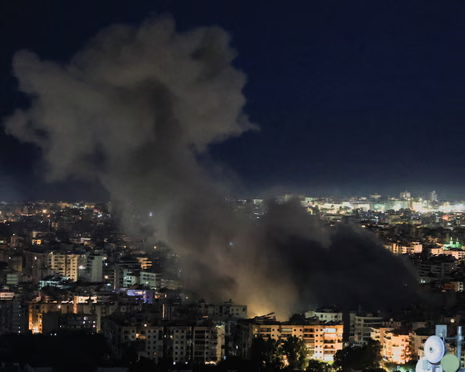
The Middle East is witnessing a sharp escalation in conflict as military strikes, missile attacks, and rising political tensions spread across multiple countries in the region. The latest wave of violence follows coordinated airstrikes by the United States and Israel targeting Iranian military facilities, which have triggered retaliatory attacks from Iran and its allied groups.
According to international reports, U.S. and Israeli forces launched large-scale strikes on Iranian military infrastructure and strategic sites, marking one of the most intense confrontations between the countries in recent years. Iran responded by launching ballistic missiles and drones toward several locations across the Gulf region and Israel, escalating fears of a wider regional war.
The conflict has already spread beyond Iran and Israel, with explosions and military activity reported in countries including Lebanon, Iraq, and parts of the Gulf. Israeli airstrikes have targeted positions linked to Hezbollah in Beirut, while drones and missiles have reportedly struck U.S. assets in the region. The widening battlefield has raised concerns about the involvement of additional regional actors.
Governments and international organizations are urging restraint as the humanitarian and economic consequences continue to grow. Several countries have issued travel warnings and evacuated diplomatic staff from affected areas amid security concerns. Global leaders have also warned that prolonged conflict could disrupt oil supplies and destabilize international markets.
With both sides continuing military operations and diplomatic efforts struggling to gain momentum, analysts fear the crisis could further destabilize the Middle East if immediate de-escalation measures are not taken.News as Reported.