

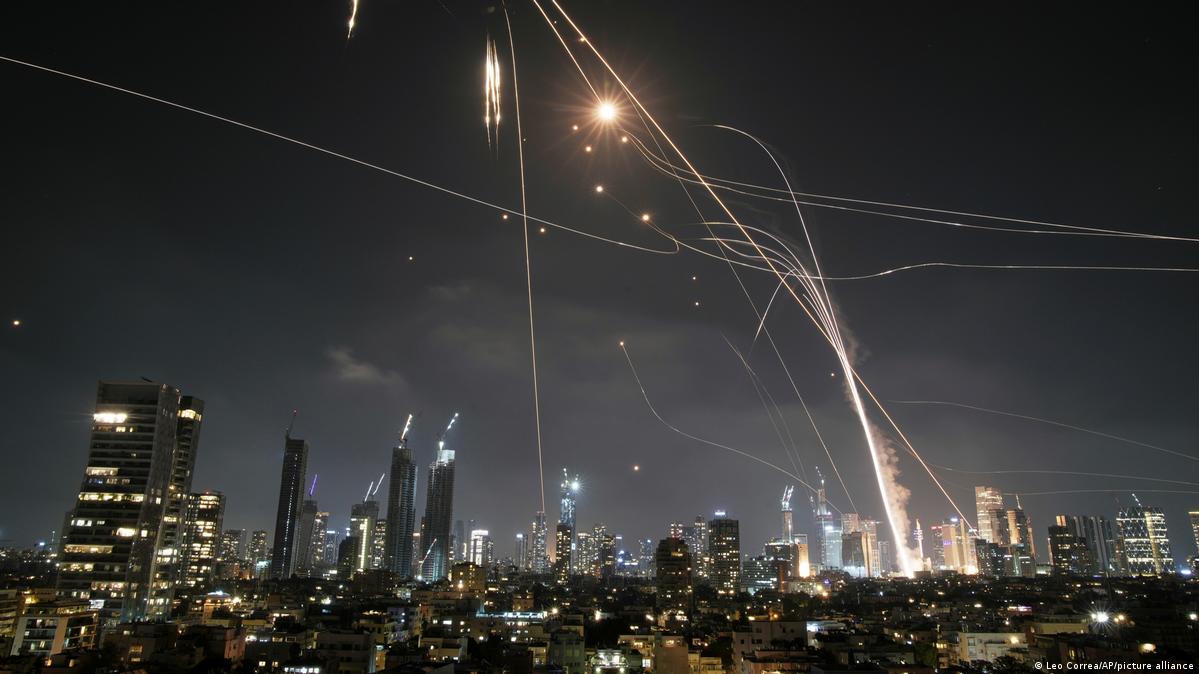
Tensions in the Middle East have sharply escalated as missile strikes, drone attacks, and military operations spread across the Gulf region, raising fears that the crisis could develop into a wider regional war involving multiple countries.
Iran has launched waves of ballistic missiles and drones targeting several Gulf states, including Saudi Arabia, the United Arab Emirates, Bahrain, Kuwait, and Oman. Many of the attacks were reportedly aimed at military bases hosting United States forces as well as key energy facilities and strategic infrastructure. Air-defense systems across the region intercepted several incoming missiles, but debris and a few successful strikes have still caused damage to buildings and infrastructure in some cities.
In the United Arab Emirates, missile debris reportedly struck a building along Sheikh Zayed Road in Dubai after air defense systems intercepted multiple projectiles. While authorities quickly responded and prevented major casualties, the incident highlighted the growing risks faced by civilian areas as military tensions intensify across the region.
The conflict has also begun affecting energy and transportation infrastructure. In Bahrain, a drone strike reportedly caused a fire at fuel storage tanks near an airport facility, raising concerns about the security of major aviation and oil infrastructure in the Gulf. Maritime security has also been threatened as several commercial vessels and oil tankers were targeted in attacks involving naval drones and suspected sea mines in Gulf waters.
The latest escalation follows major airstrikes carried out by the United States and Israel against Iranian military and nuclear-related facilities in late February 2026. Iran responded with retaliatory missile and drone strikes against U.S. allies and strategic locations across the Middle East, leading to an increasingly dangerous cycle of attacks and counterattacks.
Since the beginning of the conflict, hundreds of drones and missiles have reportedly been launched across the region, with many intercepted by regional defense systems. However, continued attacks have kept military forces across the Gulf on high alert as governments prepare for possible further escalation.
The growing conflict is also beginning to impact the global economy. Concerns over disruptions to shipping routes and oil production in the Gulf have pushed global energy prices higher and unsettled financial markets. Some international companies have temporarily reduced operations or advised staff to leave certain areas due to rising security concerns.
International leaders and the United Nations have called for immediate diplomatic efforts to prevent the conflict from spreading further. However, with missile attacks continuing and tensions rising between Iran, Israel, and the United States, analysts warn that the Middle East could be entering a prolonged and unpredictable period of instability.News as Reported.


- upgraderz.aws@gmail.com
- upgraderz.aws@gmail.com
- upgraderz.aws@gmail.com
- upgraderz.aws@gmail.com