

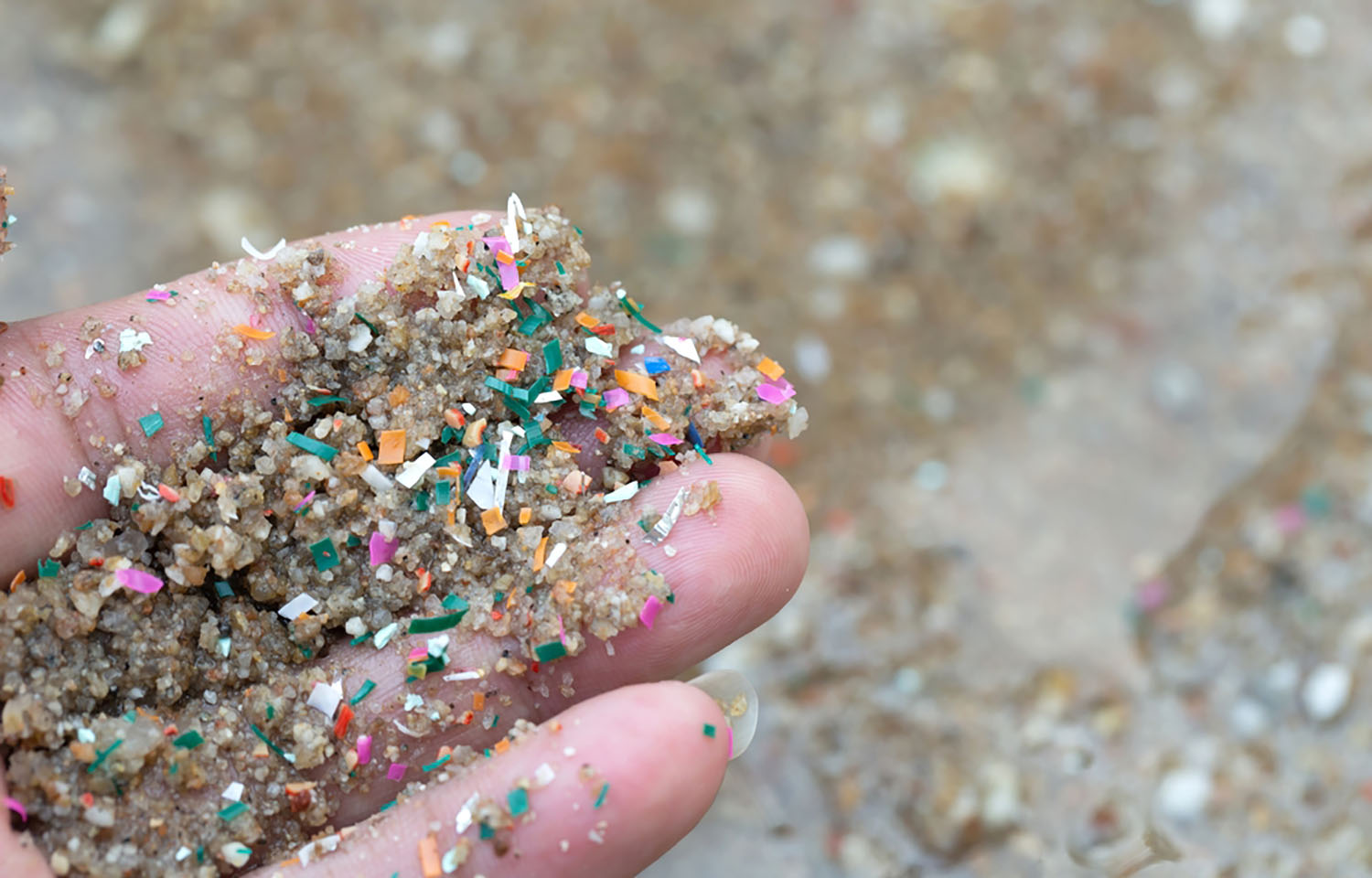
New research has found that microplastics pollution in the world’s oceans is weakening one of Earth’s most important natural climate defenses: the ocean’s ability to absorb carbon dioxide. Scientists say the growing concentration of tiny plastic particles is disrupting marine ecosystems that play a crucial role in regulating the planet’s climate.
Oceans absorb roughly a quarter of global carbon dioxide emissions each year, largely through biological processes involving plankton, algae, and marine food webs. The study shows that microplastics interfere with these processes by affecting the health, growth, and behavior of microscopic organisms that drive the ocean’s “biological carbon pump.” When these organisms are stressed or decline, less carbon is captured and transported to the deep ocean for long-term storage.
Researchers found that microplastics can alter photosynthesis in phytoplankton, reduce feeding efficiency in zooplankton, and introduce toxic chemicals into marine food chains. Over time, these impacts reduce the overall capacity of marine ecosystems to lock away carbon, allowing more greenhouse gases to remain in the atmosphere.
Scientists warn that this creates a dangerous feedback loop: plastic pollution worsens climate change, while climate impacts further stress already damaged ocean ecosystems. The findings add urgency to calls for stronger global action to curb plastic production, improve waste management, and protect marine environments. Without decisive intervention, experts caution that the oceans’ role as a climate buffer could be significantly weakened in the decades ahead – News as reported
