

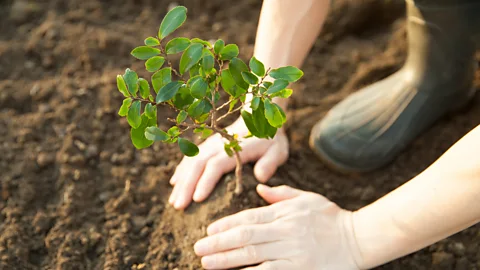
Countries across the globe are launching large-scale tree-planting campaigns in an effort to restore degraded forests, combat climate change, and protect biodiversity. Governments, environmental organizations, and community groups are working together to plant billions of trees in regions affected by deforestation, land degradation, and wildfires.
These initiatives aim to revive natural ecosystems while also improving soil quality, conserving water, and creating habitats for wildlife. Forest restoration is considered one of the most effective nature-based solutions to address climate change because trees absorb carbon dioxide from the atmosphere and store it in their biomass and soil. Scientists say restoring forests can significantly reduce greenhouse gas levels while strengthening resilience against extreme weather events.
Several countries in Asia, Africa, and Latin America have announced ambitious targets, including the restoration of millions of hectares of degraded land. Community participation has become a key element of these programs, with local residents, farmers, and students actively involved in planting and caring for young saplings.
However, experts stress that tree-planting must be carefully planned to ensure long-term ecological benefits. They recommend prioritizing native species, protecting existing forests, and maintaining biodiversity rather than relying solely on large monoculture plantations.
Environmentalists say that if implemented effectively, global tree-planting efforts could play a crucial role in restoring forest ecosystems, protecting wildlife, and supporting sustainable livelihoods while contributing to global climate goals. News as reported
