


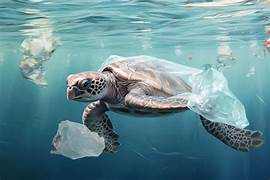
Marine conservation programs are being expanded worldwide as concerns grow over the rapid degradation of coastal ecosystems. Coral reefs, mangroves, seagrass beds, and coastal wetlands are under increasing threat from climate change, pollution, overfishing, and unregulated coastal development. These ecosystems play a vital role in protecting shorelines, supporting fisheries, and preserving marine biodiversity.
In response, governments and environmental organizations are increasing investments in marine protected areas and habitat restoration projects. Efforts include restoring coral reefs, replanting mangroves, and reducing harmful runoff from land-based sources. Community-led conservation initiatives are also gaining importance, empowering local populations to manage and protect coastal resources sustainably.
Scientists emphasize that healthy coastal ecosystems act as natural barriers against storms and erosion, helping communities adapt to rising sea levels and extreme weather events. Advances in technology, such as satellite monitoring and underwater surveys, are improving the ability to track ecosystem health and guide conservation strategies.
Despite progress, challenges remain, including enforcement gaps and limited funding. Experts stress that long-term success depends on international cooperation, strong governance, and public engagement to ensure vulnerable coastal ecosystems are protected for future generations.
