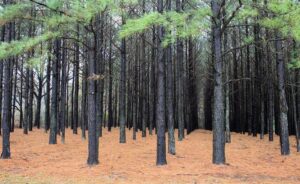
Governments and environmental organizations across several regions have launched large-scale tree plantation drives aimed at restoring degraded forests and combating climate change. These initiatives focus on reforesting areas that have suffered from deforestation, wildfires, mining, and unsustainable land use over many years.
The plantation drives involve planting millions of native tree saplings to revive forest ecosystems, improve soil quality, and enhance biodiversity. Officials say native species are being prioritized to ensure better survival rates and to support local wildlife. In addition to ecological benefits, the programs are expected to help absorb carbon dioxide from the atmosphere, contributing to efforts to slow global warming.
Local communities are playing a key role in these campaigns. Farmers, students, and volunteers are being encouraged to participate, creating employment opportunities while raising awareness about environmental protection. In some regions, tree plantation projects are being linked with livelihood programs, such as agroforestry and sustainable harvesting of forest products.
Experts note that while tree planting is an important step, long-term success depends on proper maintenance, protection from illegal logging, and careful water management. If effectively implemented, these large-scale plantation drives could significantly restore degraded forest landscapes and strengthen resilience against climate-related challenges.