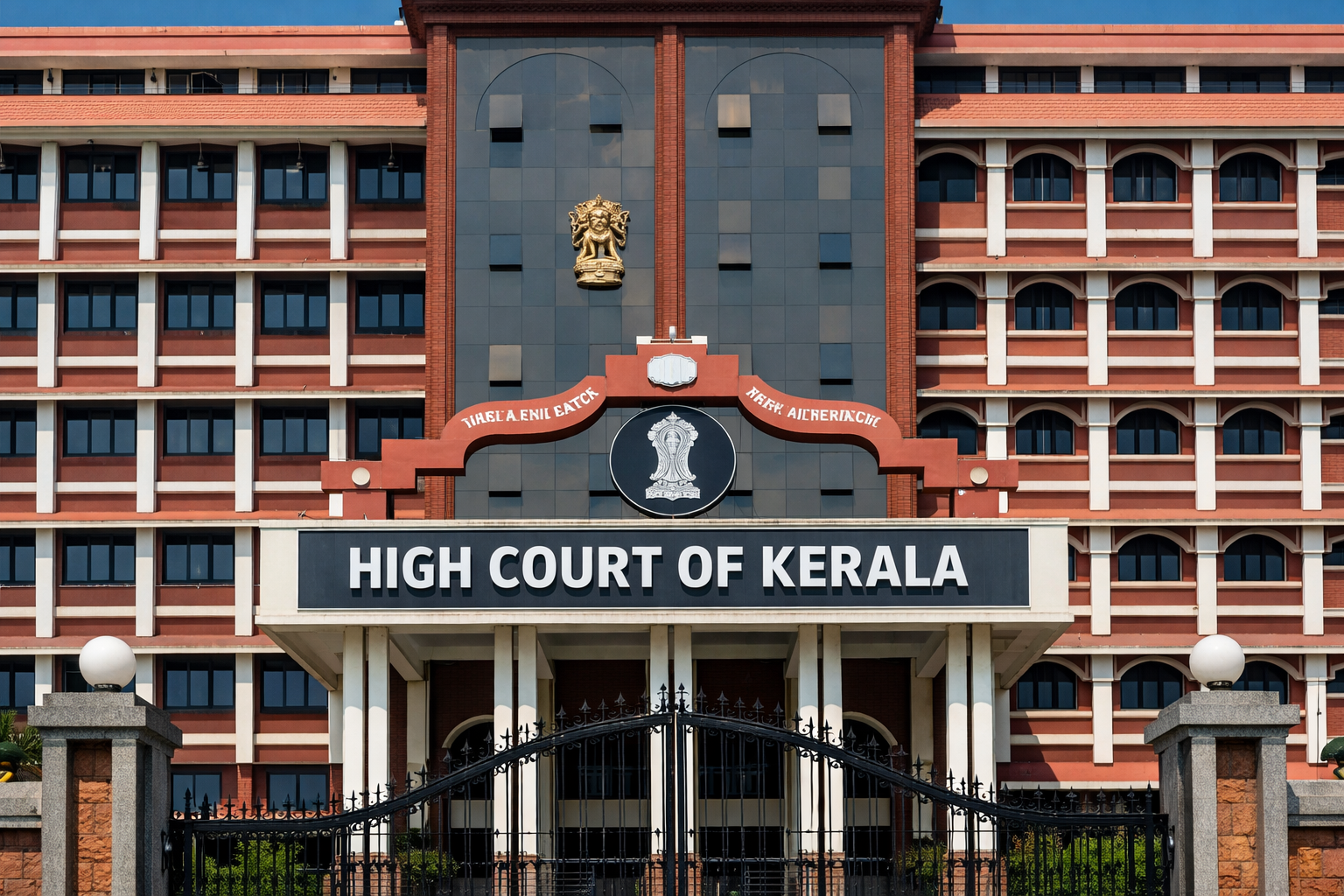
The Kerala High Court has sharply criticised the Chief Minister’s Office (CMO) for its role in a recent political messaging campaign that allegedly used private mobile numbers and personal data without consent. In a strongly worded observation during a hearing, the bench expressed concern over the data privacy implications and the potential breach of citizens’ rights, emphasising that access to personal information must always be governed by strict legal safeguards.
The controversy arose after multiple citizens complained that they had received unsolicited political messages on their mobile phones, despite not opting in for such communications. Petitioners argued that their numbers were sourced from government databases without authorisation, and that using them for any political messaging could amount to a misuse of official resources and a violation of data protection norms.
During the hearing, the High Court emphasised that private data — including mobile numbers and personal identifiers — cannot be used for political outreach unless clear, informed consent has been obtained. The bench questioned the legality of the process by which individuals’ information was accessed and used, stressing that fundamental rights to privacy and data protection are enshrined in the constitution and must be respected by all government agencies and affiliated offices.
The Court also criticised the apparent lack of transparency and accountability in the messaging campaign’s execution, suggesting that tighter regulatory frameworks are needed for any state-affiliated initiative that handles personal data. Legal experts following the case noted that this judgement could set an important precedent in India’s evolving landscape of digital rights and privacy law.
Responding to the Court’s remarks, officials from the Chief Minister’s Office stated that they would review the concerns raised and cooperate with further legal proceedings. They insisted that the intent was not to breach citizens’ privacy, but acknowledged the need for a thorough inquiry.
Civil liberties organisations have welcomed the High Court’s firm stance, describing it as a critical step toward defending individual rights in the digital age. The case continues to draw public and political attention, underscoring the growing importance of data protection and ethical governance in public communication efforts.
News as reported