

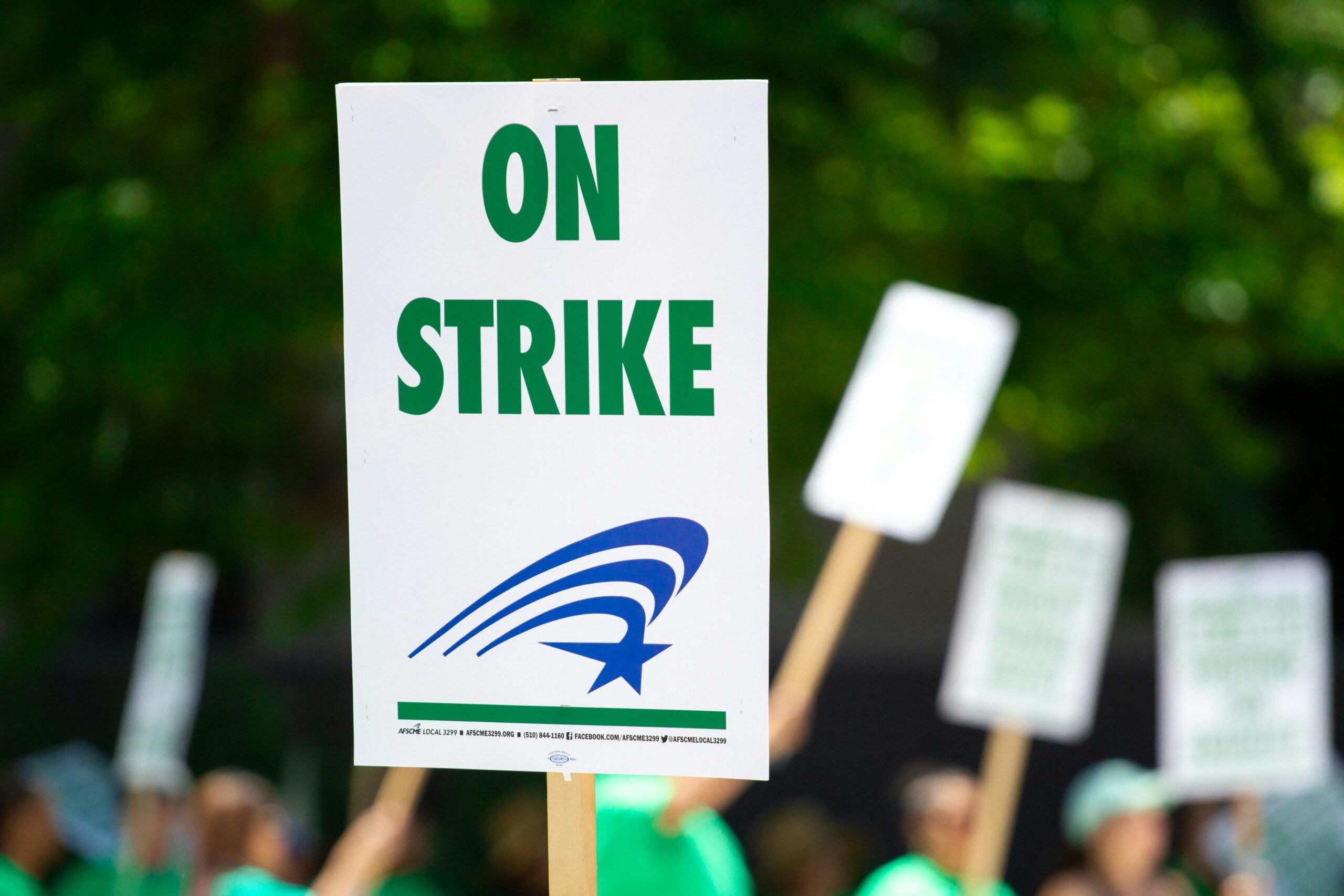
On Thursday, February 12, 2026, Kerala witnessed widespread disruption as the Bharat Bandh, called by major trade unions and farmers’ organisations, brought life in the state to a near-standstill. The one-day general strike against the central government’s labour codes and economic policies led to schools, colleges, shops, markets, and government offices shutting down across Kerala, significantly affecting daily life and public services.
Public transport was severely impacted throughout the day. State-run and private buses largely stayed off the roads, forcing many commuters to cancel travel plans, while rail and metro services in Kochi reported a 20–50% drop in passenger footfall compared to normal days. With buses and autos not operating regularly, long-distance passengers arriving by train were left scrambling for alternative transport.
In many areas, government offices saw very low attendance, with employees either working from home or skipping work altogether. Educational institutions remained closed, contributing to the state’s near-total shutdown.
Tensions flared in a few pockets — in Kozhikode, protesters blocked teachers trying to reach school, leading to confrontations that required police intervention. Instances of vandalism were also reported, including an incident at a bar in Changanassery during the bandh.
Amid the disruptions, Malayalam filmmaker Ranjith Sankar commented that protest strategies need to match evolving times, underscoring broader debates on the effectiveness of traditional strike methods.
Overall, the Bharat Bandh in Kerala reflected both strong union participation and significant impact on normal life, especially in transport, education, workplaces and public services.


- upgraderz.aws@gmail.com
- upgraderz.aws@gmail.com
- upgraderz.aws@gmail.com
- upgraderz.aws@gmail.com