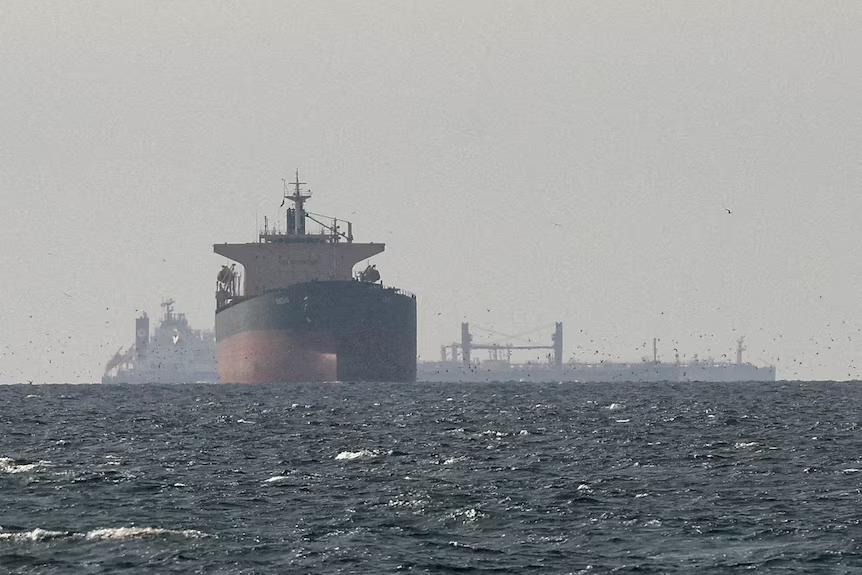
Iran has approved a controversial plan to impose shipping tolls on vessels passing through the Strait of Hormuz, one of the world’s most critical maritime routes for oil and gas transport. The decision comes as tensions escalate in the Middle East following ongoing hostilities involving Iran, the United States, and Israel.
The proposal was cleared by a key parliamentary committee and forms part of a broader strategy to regulate and control shipping traffic through the narrow waterway that connects the Persian Gulf with the Gulf of Oman. Under the plan, commercial vessels transiting the strait may be required to pay transit fees in Iran’s national currency, while ships linked to certain countries could face restrictions or bans.
The move comes at a time when the region is already experiencing severe disruptions to maritime trade. The Strait of Hormuz carries nearly 20% of the world’s oil supply, making it one of the most strategically important shipping lanes globally. Since the outbreak of the current conflict earlier this year, tanker traffic has dropped sharply, and many shipping companies have suspended operations due to safety concerns.
Reports suggest Iran has also begun managing ship movements through a controlled corridor near its territorial waters, effectively acting as a gatekeeper for vessels entering or leaving the Gulf. Some ships have reportedly paid significant amounts for safe passage, although the exact toll amounts under the new policy have not yet been officially disclosed.
The decision has drawn strong international reactions. Officials in Washington warned that restrictions on the strait threaten global energy security and could prompt a multinational response to ensure freedom of navigation. Meanwhile, military deployments in the region have increased as tensions continue to rise.
Analysts say the toll plan could further strain global energy markets, potentially driving oil prices higher and intensifying geopolitical rivalries in the Middle East.News as Reported.