

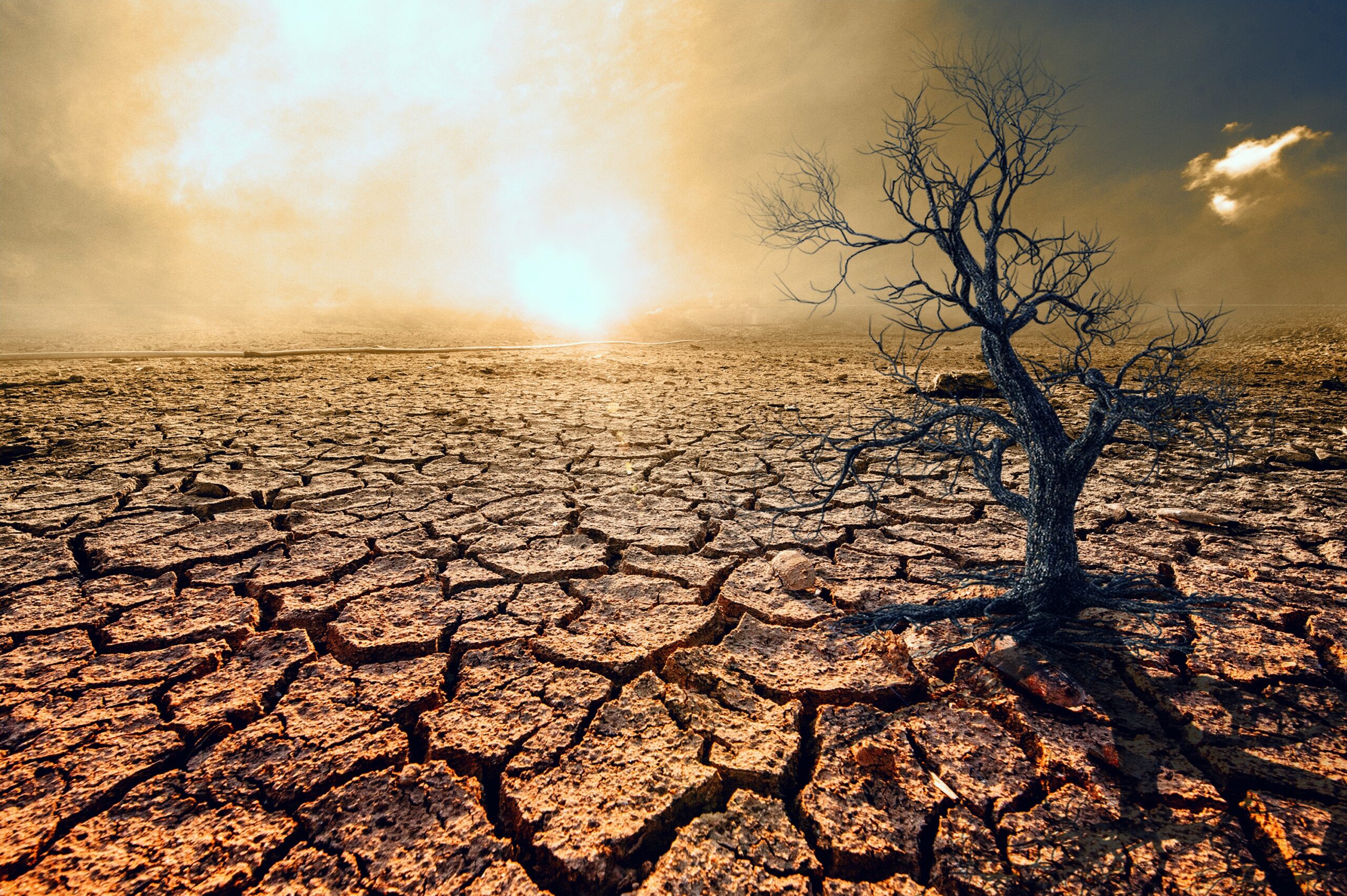
European forests are experiencing growing tree losses as insect outbreaks intensify under warmer and drier climate conditions, raising concerns about forest resilience and long-term carbon storage. Recent studies show that rising temperatures and prolonged droughts are creating ideal conditions for bark beetles and other forest pests, allowing them to reproduce faster, expand into new regions, and overwhelm stressed trees.
Heat and water scarcity weaken trees’ natural defenses, making them more susceptible to insect attacks. In central and northern Europe, bark beetle infestations have devastated large areas of spruce and pine forests, leading to widespread dieback. Scientists report that tree mortality linked to insect damage has increased significantly over the past two decades, closely tracking climate trends.
Forests play a crucial role in absorbing carbon dioxide, but large-scale tree loss threatens this function. As dead trees decay or burn, stored carbon is released back into the atmosphere, potentially accelerating climate change. The shift from healthy forests to degraded landscapes also reduces biodiversity and increases the risk of wildfires.
Researchers and forest managers are calling for adaptive management strategies, including diversifying tree species, monitoring pest populations, and restoring forests with more climate-resilient species. Experts warn that without coordinated action to curb emissions and strengthen forest resilience, insect-driven forest losses across Europe are likely to intensify in the years ahead.
