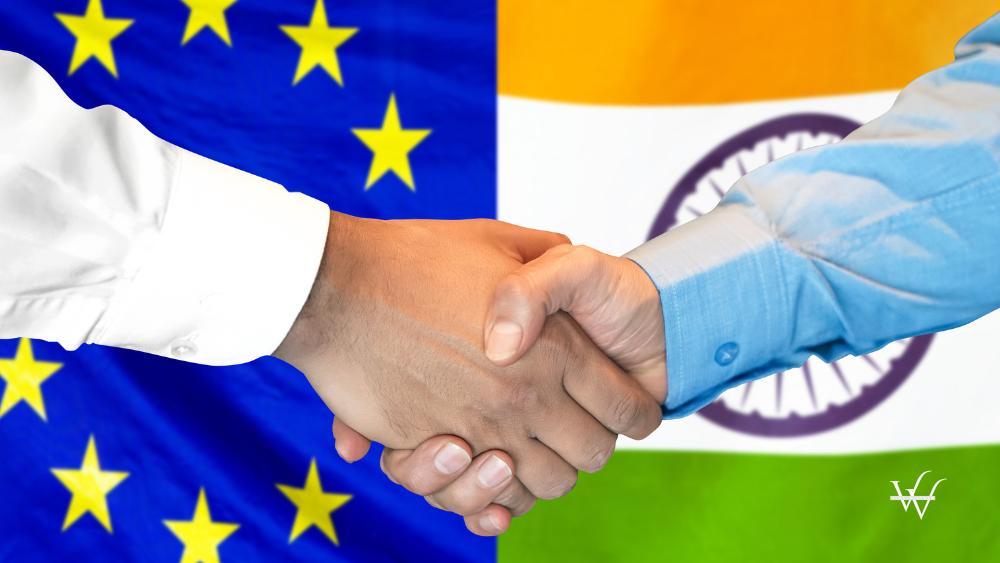
India is taking significant steps to strengthen its international trade partnerships by signing and negotiating new agreements aimed at expanding exports and deepening economic cooperation with key global markets. The initiatives are part of the government’s broader strategy to enhance India’s position in global supply chains and support long-term economic growth.
Trade officials have been actively engaging with partner countries to finalize bilateral and multilateral agreements that focus on reducing tariffs, improving market access, and encouraging investment flows. These agreements are expected to benefit sectors such as manufacturing, pharmaceuticals, information technology, agriculture, and textiles, which form an important part of India’s export economy.
Experts believe that strengthening trade ties will help Indian businesses gain easier entry into international markets while promoting the exchange of technology, services, and skilled labour. The agreements also aim to simplify customs procedures, strengthen intellectual property protections, and improve regulatory cooperation between countries.
In addition to boosting exports, the government is focusing on creating a supportive environment for domestic industries to compete globally. Policies encouraging innovation, infrastructure development, and logistics efficiency are being aligned with trade expansion goals.
Economic analysts note that diversifying trade partners is crucial at a time when global supply chains are evolving due to geopolitical tensions and shifting economic priorities. By expanding its network of trade agreements, India hopes to reduce trade barriers, attract foreign investment, and strengthen its role in global commerce.
These developments are expected to support job creation, increase export revenues, and further integrate India into the global economic landscape news as reported.