

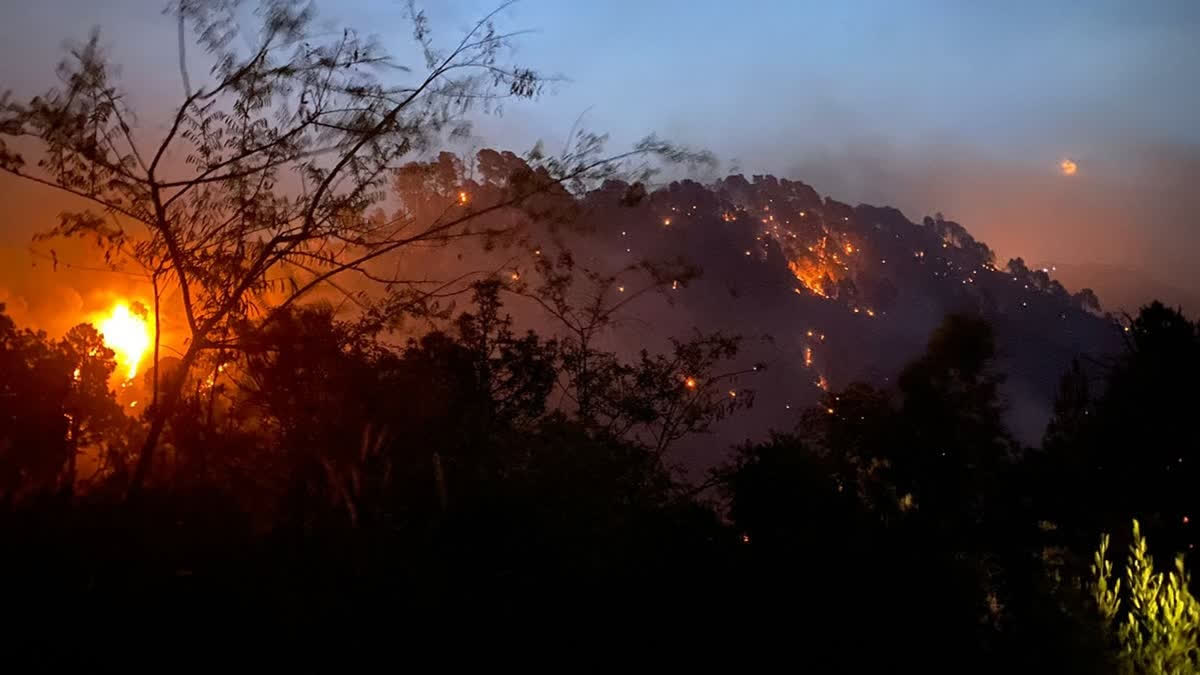
India is witnessing a noticeable rise in forest fire incidents as prolonged dry conditions and higher temperatures create a conducive environment for wildfires. Several states, including Uttarakhand, Himachal Pradesh, Odisha, and parts of central India, have reported increased fire activity in recent weeks, raising concerns among environmental authorities.
Experts attribute the surge to a combination of factors such as reduced rainfall, dry vegetation, and early onset of summer heat. In many forested regions, accumulated leaf litter and low soil moisture have made landscapes highly flammable, allowing fires to spread rapidly once ignited. Human activities, including unattended campfires and agricultural burning, are also contributing to the outbreaks.
The growing number of fires poses a serious threat to biodiversity, damaging habitats and endangering wildlife. In addition, forest fires release significant amounts of carbon dioxide and particulate matter, worsening air quality and contributing to climate change.
Authorities have stepped up monitoring efforts using satellite technology and deployed firefighting teams to contain the blazes. Awareness campaigns are also being conducted to reduce human-induced fires.
Environmentalists stress the importance of preventive measures, better forest management practices, and community participation to reduce fire risks as climate variability continues to intensify across the region. News as reported

- upgraderz.aws@gmail.com
- upgraderz.aws@gmail.com
- upgraderz.aws@gmail.com
- upgraderz.aws@gmail.com