

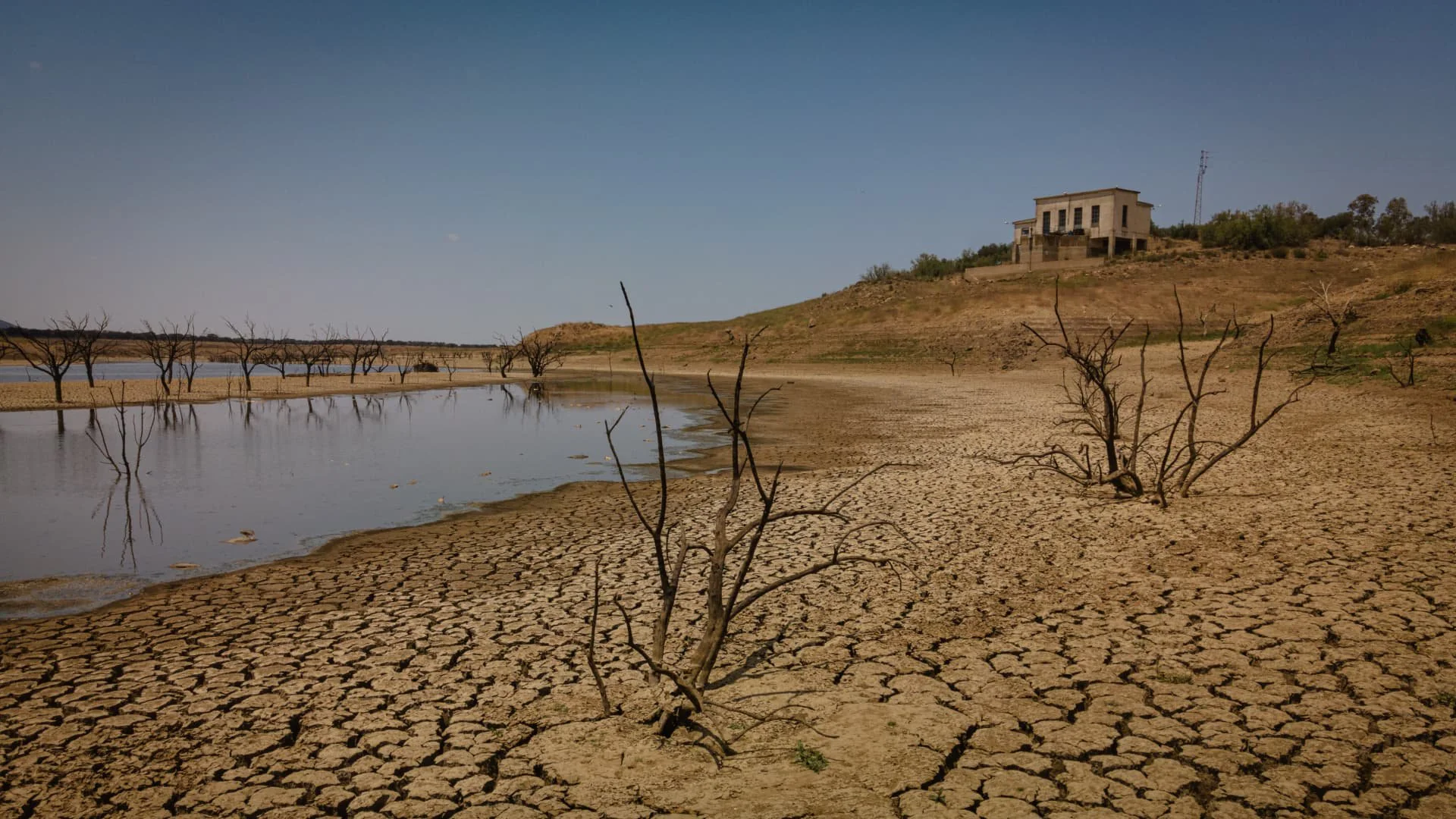
India is witnessing growing water stress as reservoir levels decline across several regions, raising concerns about water availability for agriculture, drinking, and industry. Data from the Central Water Commission indicates that storage in many major reservoirs has fallen below seasonal averages, particularly in parts of western and southern India.
Experts link the situation to erratic rainfall patterns, prolonged dry spells, and increasing temperatures driven by climate change. States dependent on monsoon rains are especially vulnerable, as delayed or insufficient rainfall directly impacts reservoir recharge.
The declining water levels pose a serious threat to farmers, with irrigation supplies expected to tighten in the coming weeks. Urban areas may also face restrictions if the situation persists, prompting authorities to consider conservation measures and alternative supply strategies.
Hydrologists warn that continued depletion could strain groundwater resources, which are already under pressure in many regions. They stress the need for improved water management practices, including rainwater harvesting, efficient irrigation techniques, and better reservoir planning.
Government agencies are closely monitoring the situation and may implement emergency measures if levels continue to fall. The current trend underscores the urgent need for sustainable water use and long-term planning to address India’s increasing vulnerability to water scarcity. News as reported
