

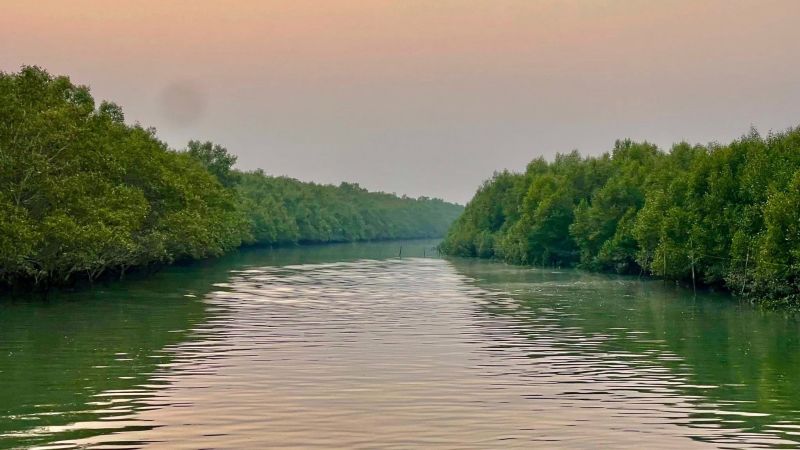
India has stepped up mangrove restoration efforts across its coastal states to enhance climate resilience and protect vulnerable communities from extreme weather events. The initiative focuses on expanding and regenerating mangrove forests in regions such as the Sundarbans, as well as along the coasts of Maharashtra, Tamil Nadu, Odisha, and Gujarat.
Mangroves act as natural barriers against cyclones, storm surges, and coastal erosion. With rising sea levels and increasingly intense tropical storms in the Bay of Bengal and the Arabian Sea, restoring these ecosystems has become a key component of India’s climate adaptation strategy. Environmental officials say the projects combine community participation, scientific monitoring, and satellite mapping to ensure long-term survival of planted saplings.
Beyond disaster protection, mangroves play a vital role in carbon sequestration, storing significantly more carbon per hectare than many terrestrial forests. Experts highlight that restoring degraded mangrove belts also improves fish breeding grounds and supports local livelihoods dependent on fisheries and eco-tourism.
Authorities emphasize that continued funding, stricter coastal regulation, and active local involvement will be essential to sustain progress. As climate risks intensify, expanding mangrove cover is seen as a cost-effective and nature-based solution to safeguard India’s extensive coastline. News as reported

- upgraderz.aws@gmail.com
- upgraderz.aws@gmail.com
- upgraderz.aws@gmail.com
- upgraderz.aws@gmail.com