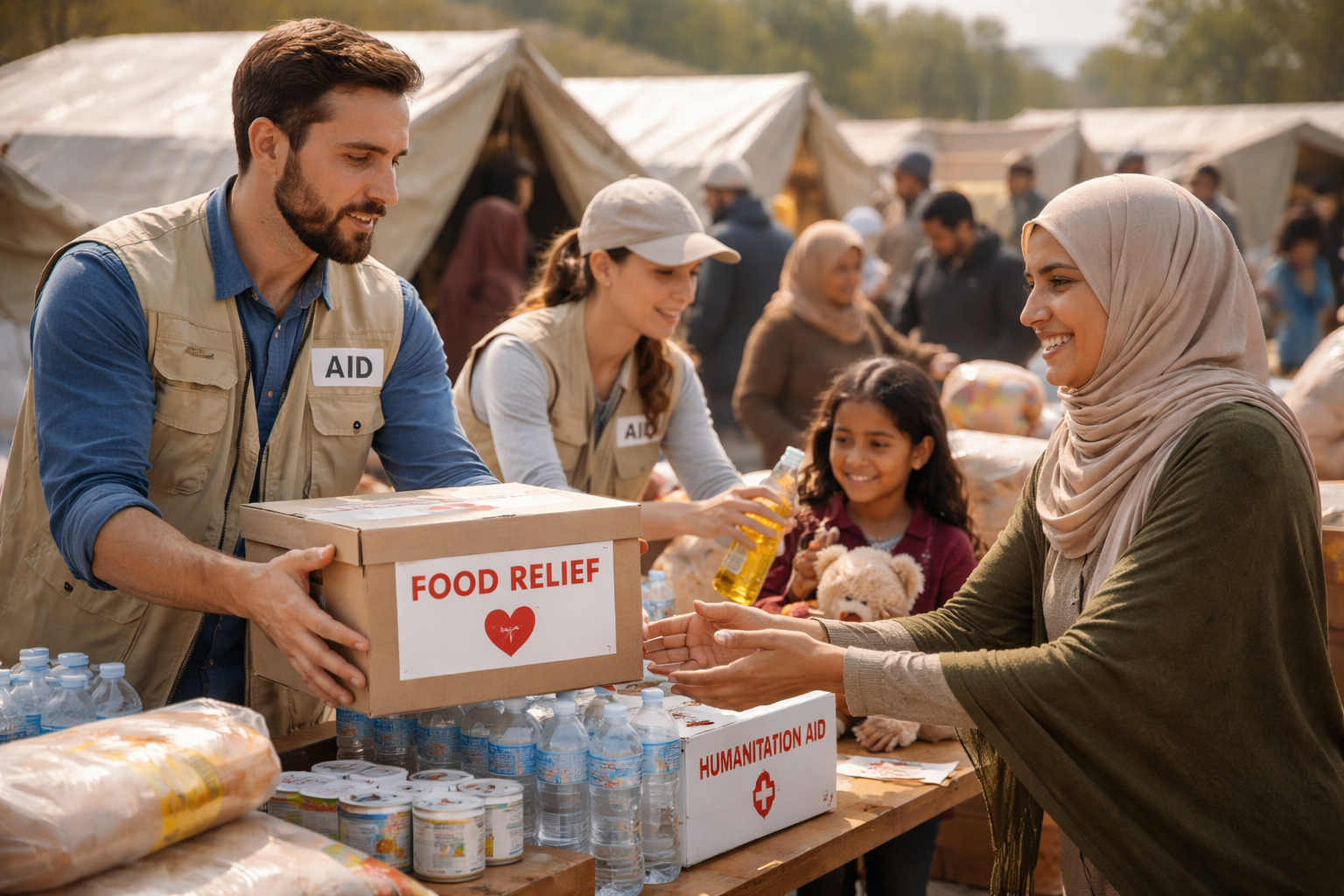
Humanitarian operations are expanding across several conflict-affected regions as international organizations and governments increase support for relief programs aimed at assisting vulnerable populations.
Global aid agencies have reported a rise in funding and logistical assistance to deliver food, medical supplies, and emergency shelter to communities facing displacement and humanitarian crises. The increased support is helping organizations scale up operations in areas where ongoing conflicts have disrupted basic services and livelihoods.
Relief teams are working to provide essential healthcare, nutrition assistance, and clean water to people living in temporary shelters and refugee camps. Aid workers say that strengthening humanitarian supply chains and improving coordination among international partners has allowed them to reach more communities in urgent need.
In addition to emergency relief, many humanitarian programs are also focusing on long-term recovery initiatives. These include rebuilding local infrastructure, supporting education programs for displaced children, and providing economic assistance to help families regain stability.
International organizations and donor countries have emphasized the importance of continued cooperation to ensure that humanitarian assistance reaches those most affected by conflict. Experts note that sustained funding and global solidarity will be critical to addressing the growing needs in regions experiencing prolonged instability.
Humanitarian groups say that while challenges remain, the expansion of aid programs reflects a renewed global commitment to protecting vulnerable populations and supporting recovery efforts in crisis-affected communities.News as Reported.