

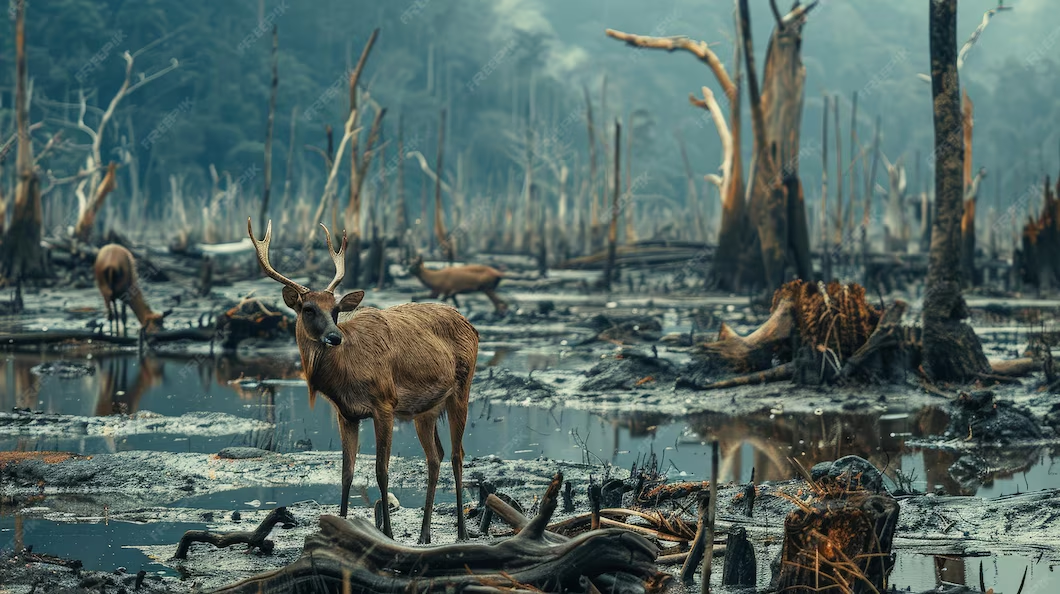
A sharp rise in habitat destruction affecting threatened species was recorded in 2025, according to a recent environmental report, raising serious concerns about global biodiversity loss. Conservation scientists say the scale and speed of habitat damage mark one of the worst years in recent history for ecosystems already under pressure.
The report highlights extensive losses driven by deforestation, land conversion for agriculture, mining, infrastructure expansion, and climate-related disasters such as wildfires and floods. Forests, wetlands, and grasslands—critical habitats for endangered plants and animals—were among the hardest hit. Experts warn that the disappearance of these ecosystems is pushing many species closer to extinction.
Researchers note that habitat loss not only reduces living space for wildlife but also disrupts food chains, breeding cycles, and migration routes. Species with limited ranges are particularly vulnerable, as they often lack alternative areas to relocate. The decline in biodiversity also threatens ecosystem services essential to human well-being, including pollination, water regulation, and climate stability.
Environmental groups argue that current conservation efforts are not keeping pace with the scale of destruction. They are calling for stronger land-use regulations, expanded protected areas, and increased investment in habitat restoration.
Scientists stress that without urgent and coordinated global action, rising habitat loss could trigger irreversible damage to biodiversity, with long-term consequences for both nature and people – News as reported
