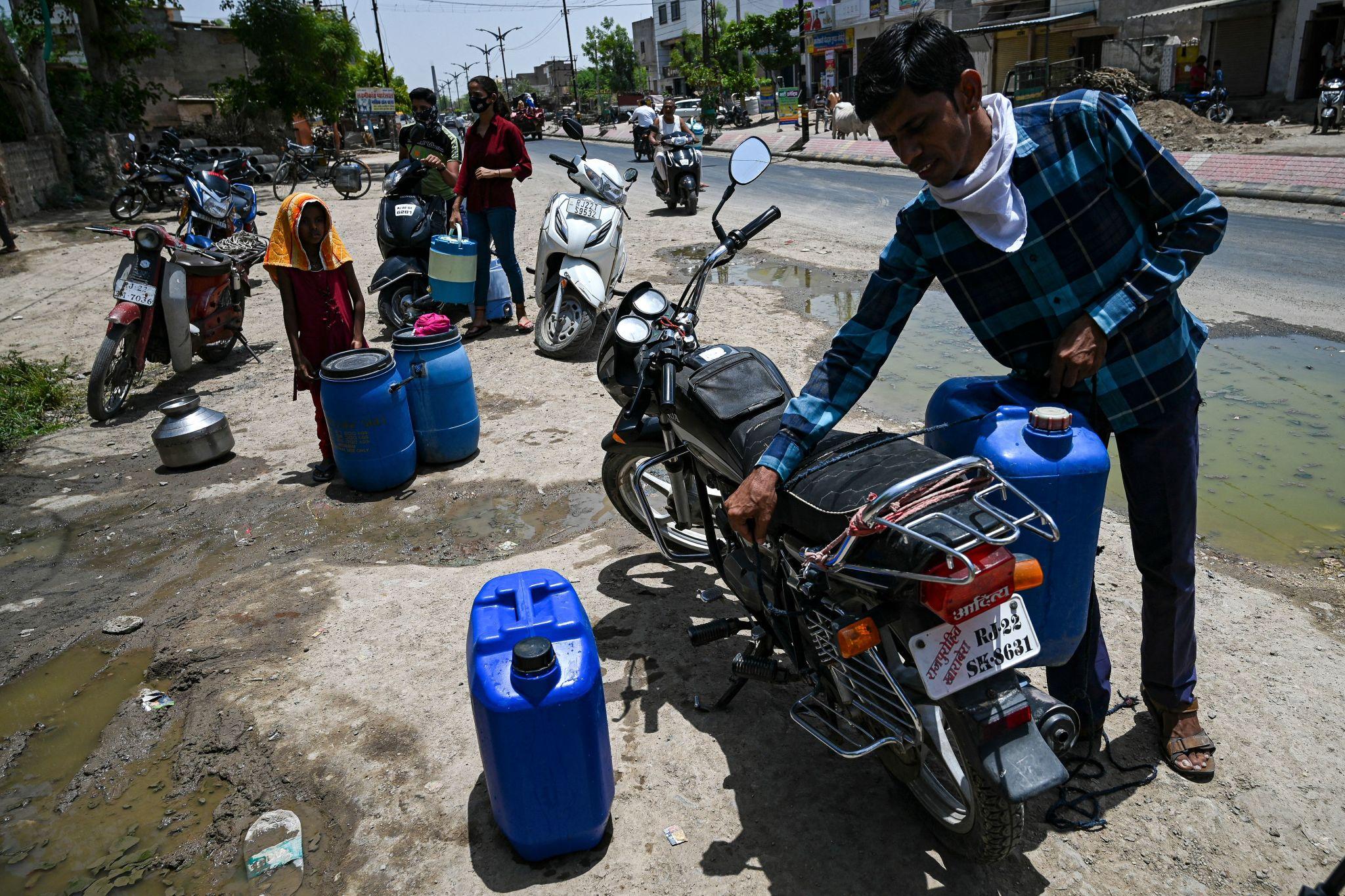
A severe heatwave has intensified across multiple states in India, prompting authorities to issue health advisories to safeguard public well-being. Temperatures have surged beyond seasonal averages in northern, central, and some southern regions, increasing the risk of heat-related illnesses.
Health departments have urged people to stay indoors during peak afternoon hours, remain hydrated, and avoid strenuous activities. Special attention is being given to vulnerable groups such as children, the elderly, and outdoor workers. Hospitals have been put on alert to handle potential cases of heatstroke and dehydration.
Local administrations are taking steps to mitigate the impact by setting up water distribution points and ensuring the availability of essential supplies. Schools in some regions have adjusted timings or declared temporary closures to protect students from extreme conditions.
Experts link the increasing frequency and intensity of heatwaves to changing climate patterns, highlighting the need for long-term climate resilience strategies. Urban planning improvements, green cover expansion, and awareness campaigns are crucial to reducing the impact of extreme weather events.
The current situation serves as a reminder of the importance of preparedness and public cooperation in managing environmental challenges effectively news as reported.