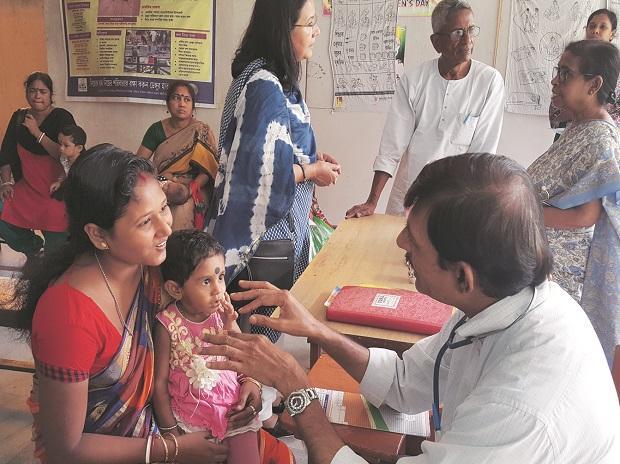
India is continuing efforts to strengthen healthcare infrastructure in rural and remote regions by improving medical facilities, expanding healthcare services, and increasing access to trained healthcare professionals. Government initiatives aim to provide better primary healthcare while reducing the need for patients to travel long distances for treatment.
New primary health centers are being upgraded with improved diagnostic equipment, maternity care services, and telemedicine facilities. Digital healthcare platforms now allow specialists in major cities to consult patients remotely, improving access to quality medical advice.
Healthcare workers are receiving additional training to manage maternal health, child nutrition, infectious diseases, and chronic illnesses. Vaccination campaigns and preventive healthcare programs continue to play an important role in improving public health outcomes.
Mobile medical units have been deployed in difficult-to-reach areas, ensuring that essential healthcare services reach underserved communities. Awareness campaigns are encouraging regular health check-ups, sanitation, nutrition, and early disease detection.
Public-private partnerships are contributing to the expansion of healthcare infrastructure through investments in medical equipment, hospital management systems, and healthcare technology. Digital health records are also improving patient care by making medical information more accessible to healthcare providers.
Experts believe that strengthening rural healthcare is essential for achieving equitable healthcare access and improving overall quality of life. Continued investment in infrastructure, skilled manpower, and digital health solutions is expected to support India’s long-term healthcare goals while enhancing resilience against future public health challenges.