

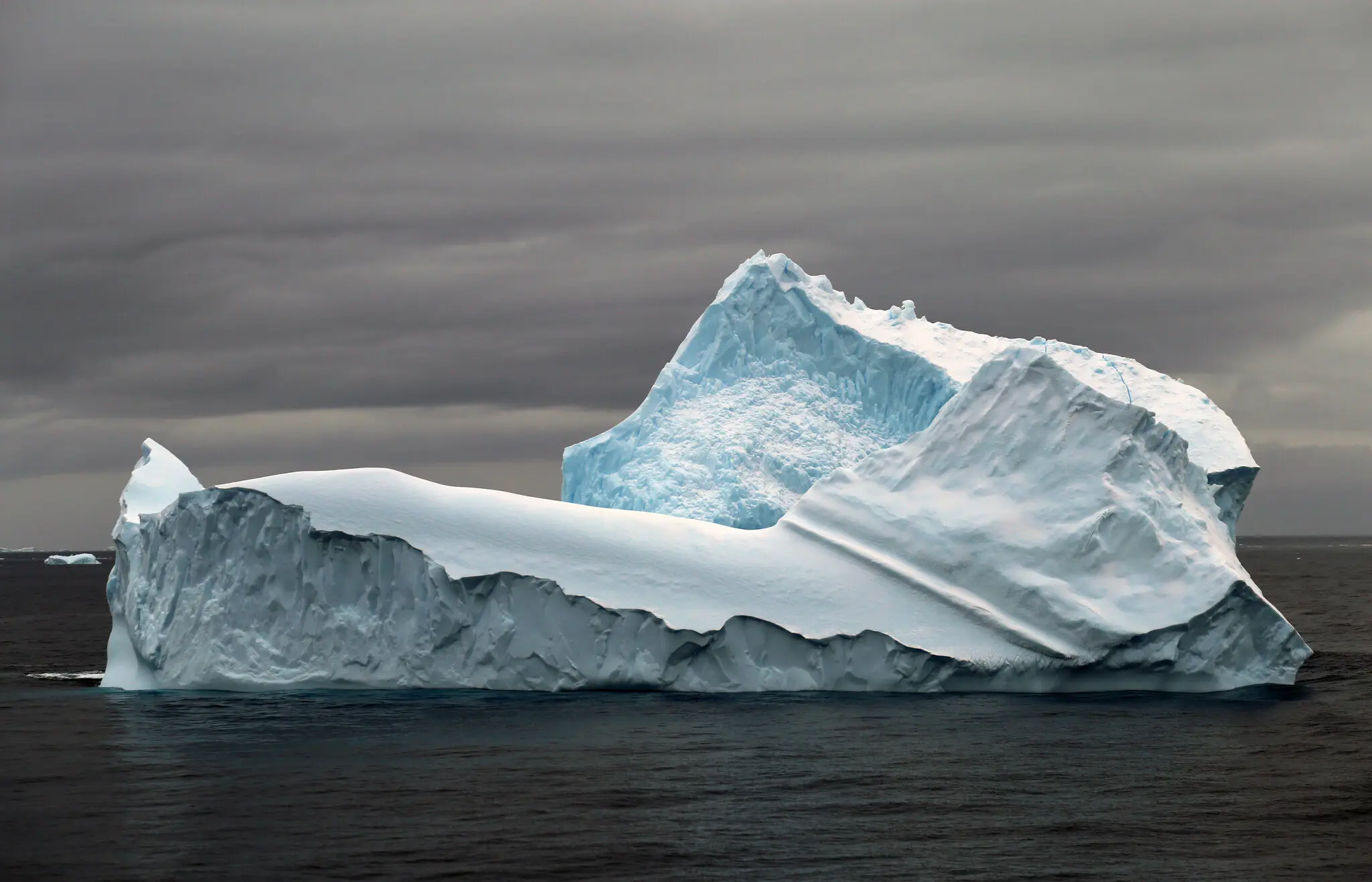
Scientists studying Antarctica’s Thwaites Glacier, often referred to as the “Doomsday Glacier,” have temporarily halted a key drilling mission after extreme and unstable ice conditions disrupted research operations, highlighting the growing challenges of conducting climate science in one of the world’s most fragile environments.
The international research team had planned to drill deep into the glacier’s ice and underlying seabed to better understand how warm ocean water is melting the glacier from below. However, shifting sea ice, severe weather, and unstable surfaces made it unsafe to continue heavy equipment deployment. Researchers said unpredictable cracks and rapid ice movement posed serious risks to both personnel and instruments.
Thwaites Glacier is considered one of the most critical glaciers in Antarctica because of its potential impact on global sea levels. Roughly the size of Florida, it already contributes about 4 percent of annual sea-level rise. Scientists warn that if it collapses entirely, it could raise sea levels by more than half a meter, threatening coastal communities worldwide.
Despite the setback, the team hopes to resume operations once conditions stabilize. Researchers emphasized that continued study of Thwaites is vital to predicting future sea-level changes and improving global climate adaptation strategies.
The pause underscores how climate change is making polar research increasingly difficult and urgent at the same time. News as reported