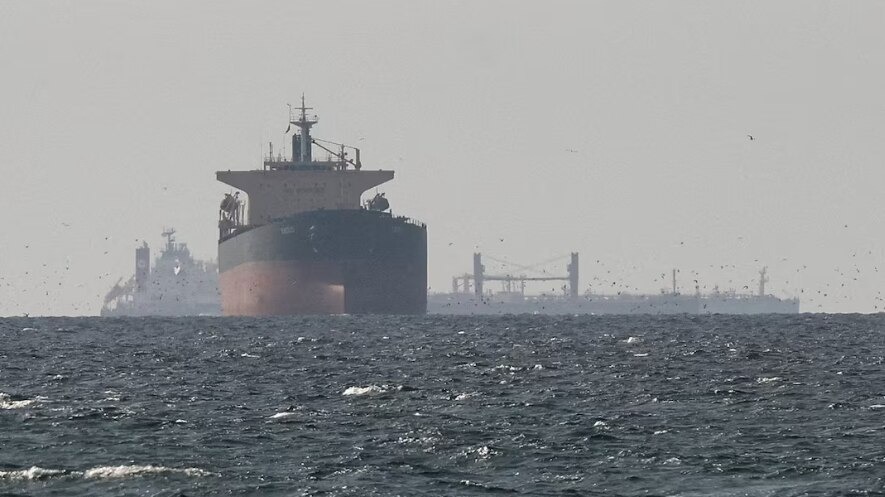
Governments around the world are considering emergency energy measures as escalating conflict in the Middle East disrupts critical shipping routes and threatens global fuel supplies. The growing instability around the Persian Gulf—particularly near the strategic Strait of Hormuz—has pushed oil prices sharply higher and forced countries to prepare contingency plans to stabilize their energy markets.
The Strait of Hormuz is one of the most important energy corridors in the world, carrying roughly 20% of global oil shipments each day. Ongoing military tensions and attacks on ships have significantly reduced tanker traffic, raising fears of a prolonged supply shortage that could impact economies worldwide.
In response, the International Energy Agency (IEA) and its member countries have agreed to release up to 400 million barrels of oil from strategic reserves to help stabilize global markets and ensure sufficient supply. The coordinated action represents one of the largest emergency releases of oil stockpiles in history.
Several countries have already begun implementing national measures. Japan announced plans to release part of its strategic oil reserves to ease pressure on domestic fuel supplies, while Australia said it would distribute petrol and diesel from emergency reserves to prevent shortages.
India and other major energy-importing nations are also exploring alternative supply sources and routes for crude oil and natural gas. Officials say additional LNG shipments and new procurement arrangements are being organized to offset disruptions caused by instability in the Gulf region.
Meanwhile, the Group of Seven (G7) nations have held emergency discussions on coordinating responses to the energy crisis. Leaders said they are prepared to take “necessary measures” to protect global markets if disruptions worsen, including additional reserve releases and market interventions.
Analysts warn that if the conflict continues to disrupt energy exports from the Persian Gulf, global oil prices could rise further, potentially increasing transportation costs, inflation, and economic pressure across many countries. Governments are therefore closely monitoring the situation while preparing further emergency responses to protect energy security. News as Reported.