

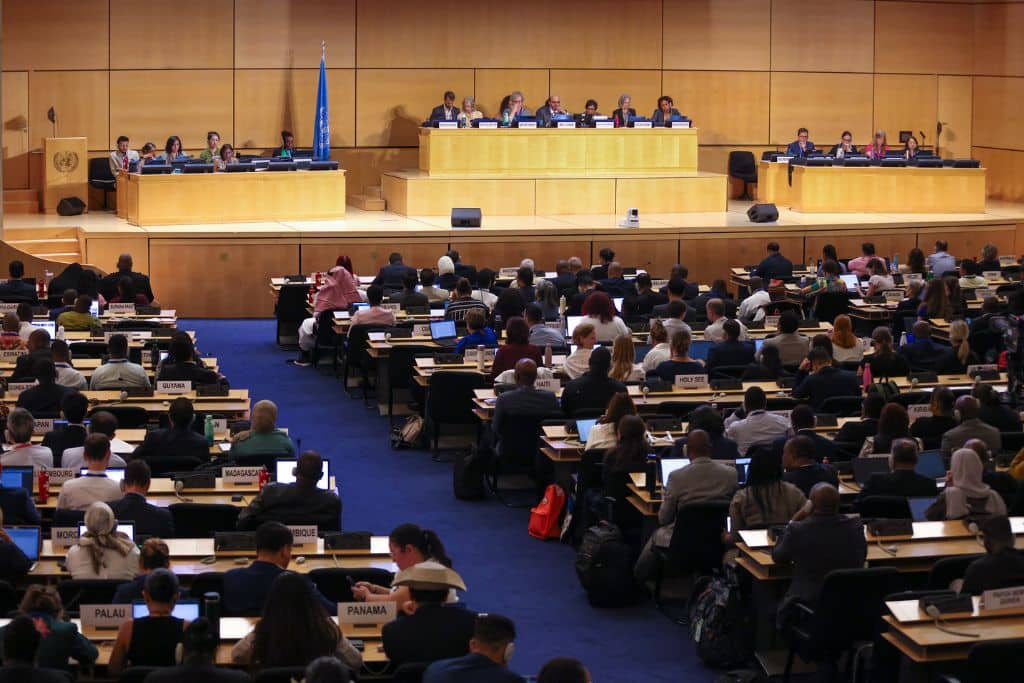
Governments around the world are being urged to intensify efforts in negotiating a strong and legally binding global plastics treaty to address the growing crisis of marine pollution. Environmental groups and scientists warn that without decisive international cooperation, plastic waste entering oceans could triple by 2040, posing severe risks to marine ecosystems and coastal communities.
The negotiations, facilitated under the United Nations Environment Programme, aim to develop a comprehensive agreement covering the entire plastic lifecycle — from production and design to disposal and recycling. Experts argue that focusing solely on waste management will not be sufficient, calling instead for limits on virgin plastic production and the elimination of harmful single-use plastics.
Marine pollution from plastics is devastating wildlife, with sea turtles, seabirds, and fish often ingesting or becoming entangled in debris. Microplastics have also been detected in seafood, drinking water, and even human bloodstreams, raising health concerns.
Developing nations have emphasized the need for financial and technical support to transition toward sustainable alternatives. Environmental advocates stress that a robust treaty with clear targets, accountability mechanisms, and equitable funding could significantly reduce ocean plastic leakage.
As talks continue, campaigners warn that delays or diluted commitments could undermine global efforts to protect marine biodiversity and ensure cleaner, healthier oceans for future generations. News as reported

- upgraderz.aws@gmail.com
- upgraderz.aws@gmail.com
- upgraderz.aws@gmail.com
- upgraderz.aws@gmail.com