

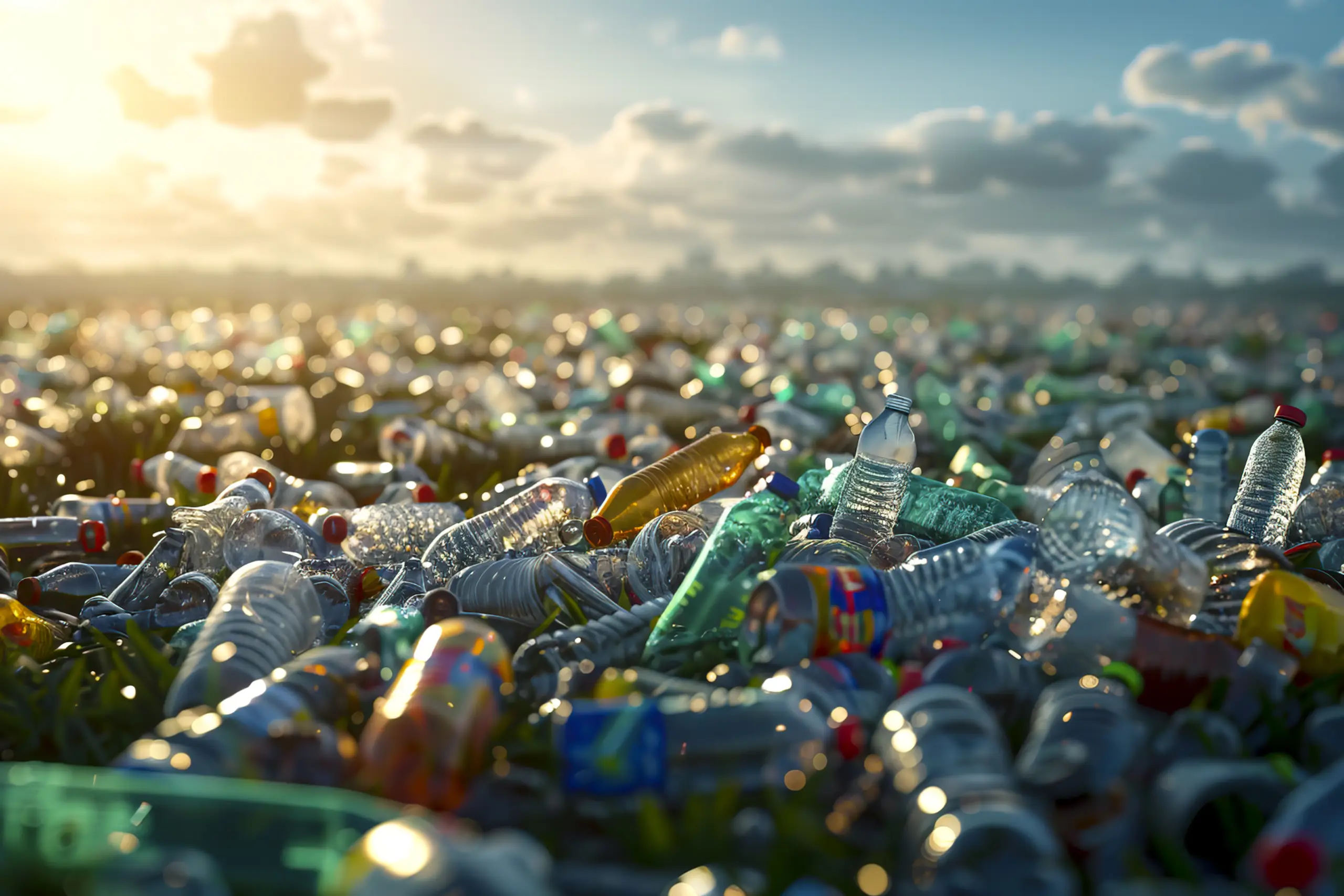
Governments around the world are stepping up efforts to tackle plastic pollution by introducing stricter regulations and promoting sustainable waste management practices. With plastic waste posing a serious threat to ecosystems and human health, policymakers are focusing on reducing single-use plastics and improving recycling systems.
Several countries have announced bans or restrictions on items such as plastic bags, straws, and packaging materials. At the same time, extended producer responsibility (EPR) policies are being strengthened, making manufacturers accountable for the collection, recycling, and disposal of their products. These measures aim to shift the burden of waste management from consumers to producers.
In addition, investments in recycling infrastructure and innovation are increasing. Governments are supporting the development of advanced recycling technologies and encouraging the use of biodegradable and alternative materials. Public awareness campaigns are also being launched to promote responsible consumption and waste segregation at the household level.
Experts note that while these initiatives mark significant progress, effective implementation and global cooperation remain key challenges. Without consistent enforcement and participation from industries and communities, plastic waste levels may continue to rise.
As the world generates millions of tonnes of plastic waste each year, strengthened policies offer a crucial pathway toward cleaner environments and a more sustainable future. News as reported
