

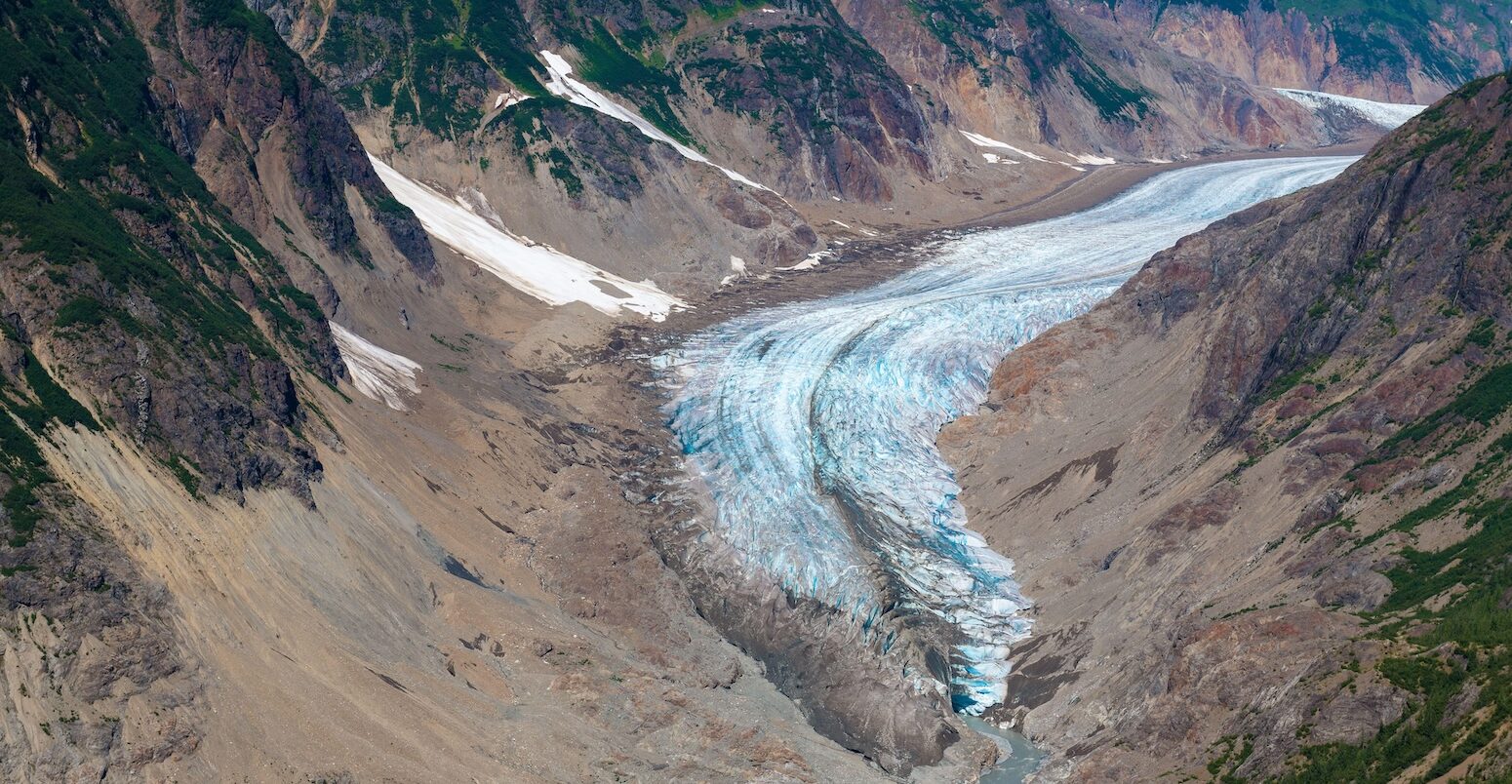
A major international scientific assessment has raised alarms over the accelerating retreat of glaciers worldwide and the profound implications this could have on freshwater supplies by 2050. Glaciers and mountain snowpacks act as natural “water towers,” storing frozen freshwater and releasing it seasonally to feed rivers that support billions of people, agriculture and ecosystems. Recent research shows that many glaciers, especially in regions such as Central Asia’s Tian Shan mountains, are losing mass at unprecedented rates — with projections indicating roughly one-third of glacier area could be gone by 2040 if current warming trends persist.
The loss of glacial ice disrupts hydrological cycles, leading initially to increased meltwater flows followed by long-term reductions in dry-season river discharge, threatening water availability for drinking, irrigation and hydropower. According to the 2025 United Nations World Water Development Report, rapid glacier melt and diminishing snow cover jeopardise water-security for billions of people who depend on mountain water sources, especially in Asia, South America and Central Asia.
Scientists warn that if greenhouse gas emissions continue unabated, water stress will intensify, particularly during peak demand periods, undermining livelihoods, food production and ecosystem stability. The study underscores the urgency of global climate action and investment in adaptive water management to safeguard freshwater resources as glaciers continue their dramatic decline. News as reported
