

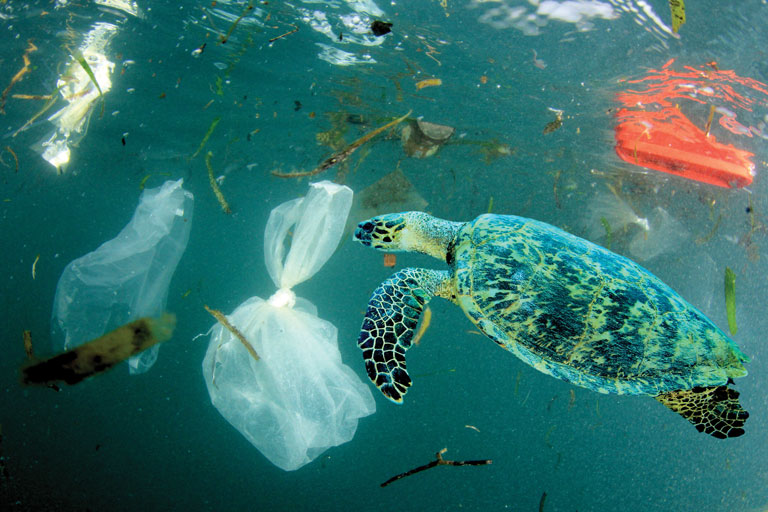
A new global study has highlighted the rapidly increasing threat of plastic pollution to marine ecosystems and wildlife, warning that the crisis is reaching alarming levels worldwide. Researchers say plastic debris now dominates ocean waste, accounting for around 80–85 percent of all marine litter, making it one of the most serious environmental challenges facing the world’s oceans.
Scientists report that millions of tonnes of plastic enter oceans every year, where it breaks down into smaller fragments known as microplastics. These particles are now found in nearly all marine habitats—from coastal waters to deep ocean sediments—posing risks to fish, coral reefs, seabirds, and marine mammals.
The study notes that plastic pollution harms marine life mainly through ingestion and entanglement. Many animals mistake floating plastic bags or fragments for food, which can cause internal injuries, starvation, and death. Experts estimate that plastic waste contributes to the deaths of over one million marine animals annually, including sea turtles, seabirds, and marine mammals.
Plastic debris has already affected hundreds of marine species worldwide, with significant impacts recorded in 86 percent of sea turtle species, 44 percent of seabirds, and 43 percent of marine mammal species.
Researchers warn that if current trends continue, as much as 33 billion tonnes of plastic could accumulate in marine ecosystems by 2050, threatening biodiversity and ocean health.
Scientists emphasize that reducing single-use plastics, improving waste management, and strengthening international cooperation are crucial steps to curb plastic pollution and protect marine ecosystems for future generations. News as reported
