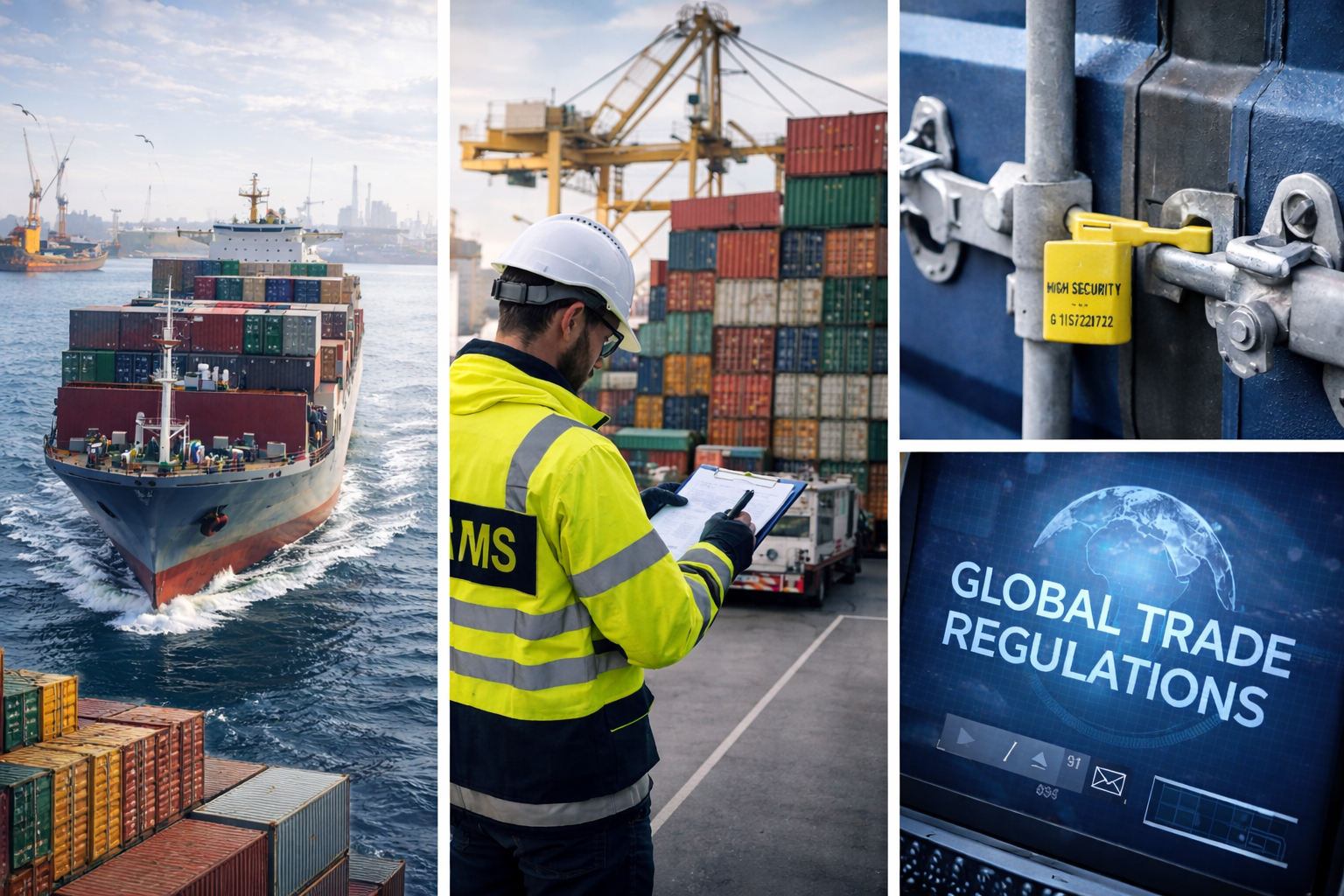
Worldwide shipping and logistics networks are actively adjusting operations in response to updated safety standards and evolving trade regulations, reshaping how global supply chains function in 2025. Key international bodies, including the International Maritime Organization (IMO), have introduced stricter reporting and safety requirements that will take effect in the coming years. For example, new IMO amendments under the Safety of Life at Sea (SOLAS) framework mandate mandatory reporting of containers lost at sea, enhancing transparency and risk management across major shipping lanes. This move aims to reduce environmental hazards and improve incident tracking across global trade routes.
In parallel, broader regulatory changes—such as tighter energy efficiency and emissions standards for vessels and updated customs and classification codes affecting cargo documentation—are prompting carriers and ports to modernize fleets and digitize logistics processes. These measures are part of efforts to meet sustainability goals and comply with carbon-related pricing mechanisms and regional trade rules.
Major ports and supply hubs are also investing in enhanced security systems and digital access controls to protect cargo integrity and streamline compliance with international data and safety protocols, further supporting resilience in logistics operations.
Industry surveys indicate that supply chain leaders expect these regulatory pressures to continue influencing routing, costs, and investment priorities for at least the next 12–24 months, with accelerated adoption of smarter, more compliant logistics infrastructure seen as crucial to maintaining global trade flows.