

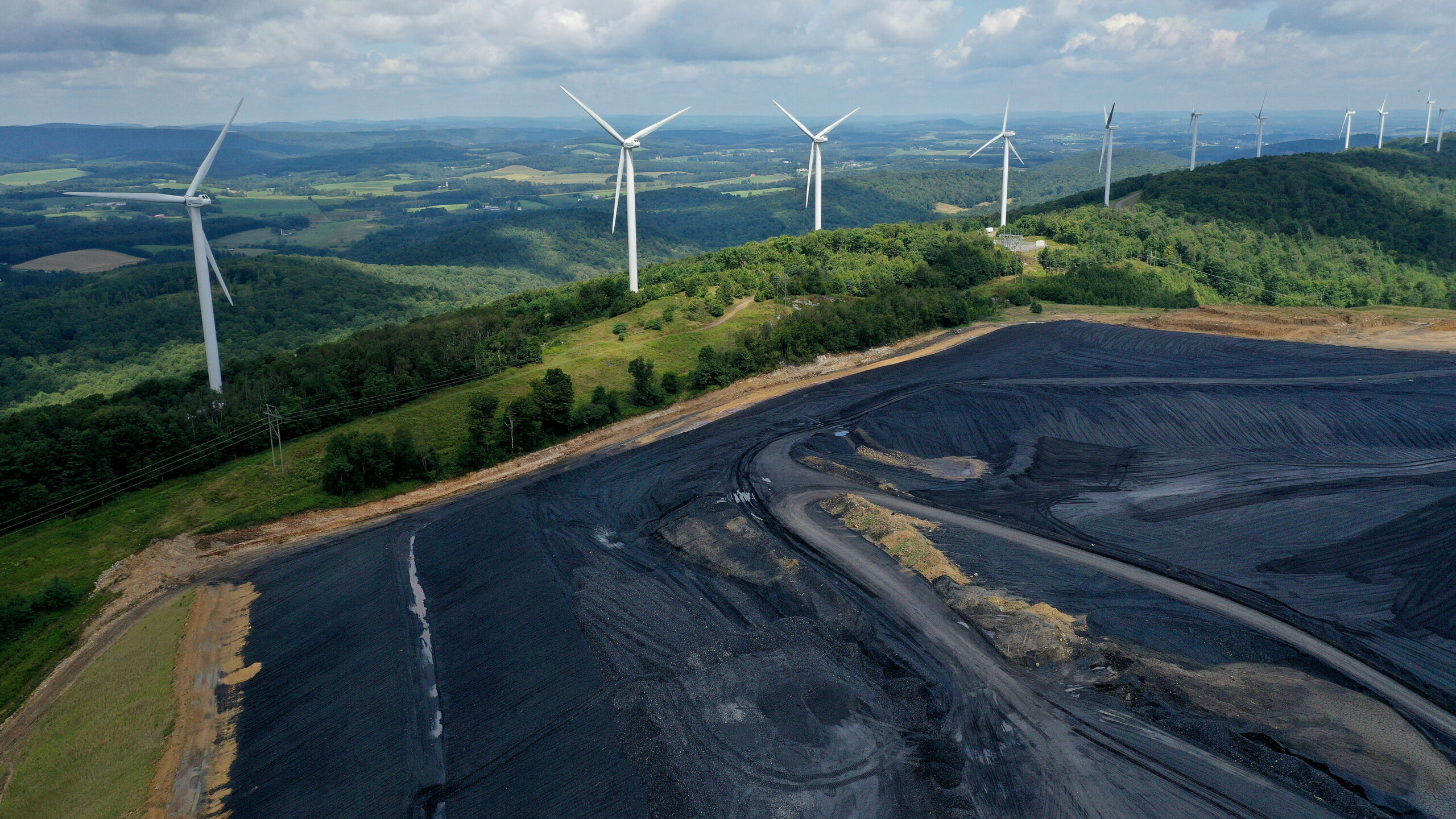
The adoption of renewable energy is accelerating worldwide as countries increasingly prioritize cleaner and greener alternatives to combat climate change. Governments are expanding investments in solar, wind, hydro, and other sustainable energy sources to reduce dependence on fossil fuels and cut greenhouse gas emissions.
In recent years, technological advancements and falling costs have made renewable energy more accessible and economically viable. Solar panels and wind turbines are now being deployed at an unprecedented scale, with many nations setting ambitious targets to achieve carbon neutrality in the coming decades.
This transition is also driving economic growth, creating new jobs in clean energy sectors such as manufacturing, installation, and maintenance. Developing countries, in particular, are leveraging renewable energy to improve energy access in remote areas while reducing environmental impact.
However, experts note that challenges remain. Energy storage, grid integration, and infrastructure development are critical to ensuring a stable and reliable power supply from renewable sources. Continued policy support, innovation, and international cooperation will be essential to overcome these hurdles.
As the world faces the growing impacts of climate change, the shift toward renewable energy represents a crucial step in building a sustainable future while balancing economic development and environmental protection. News as reported
