

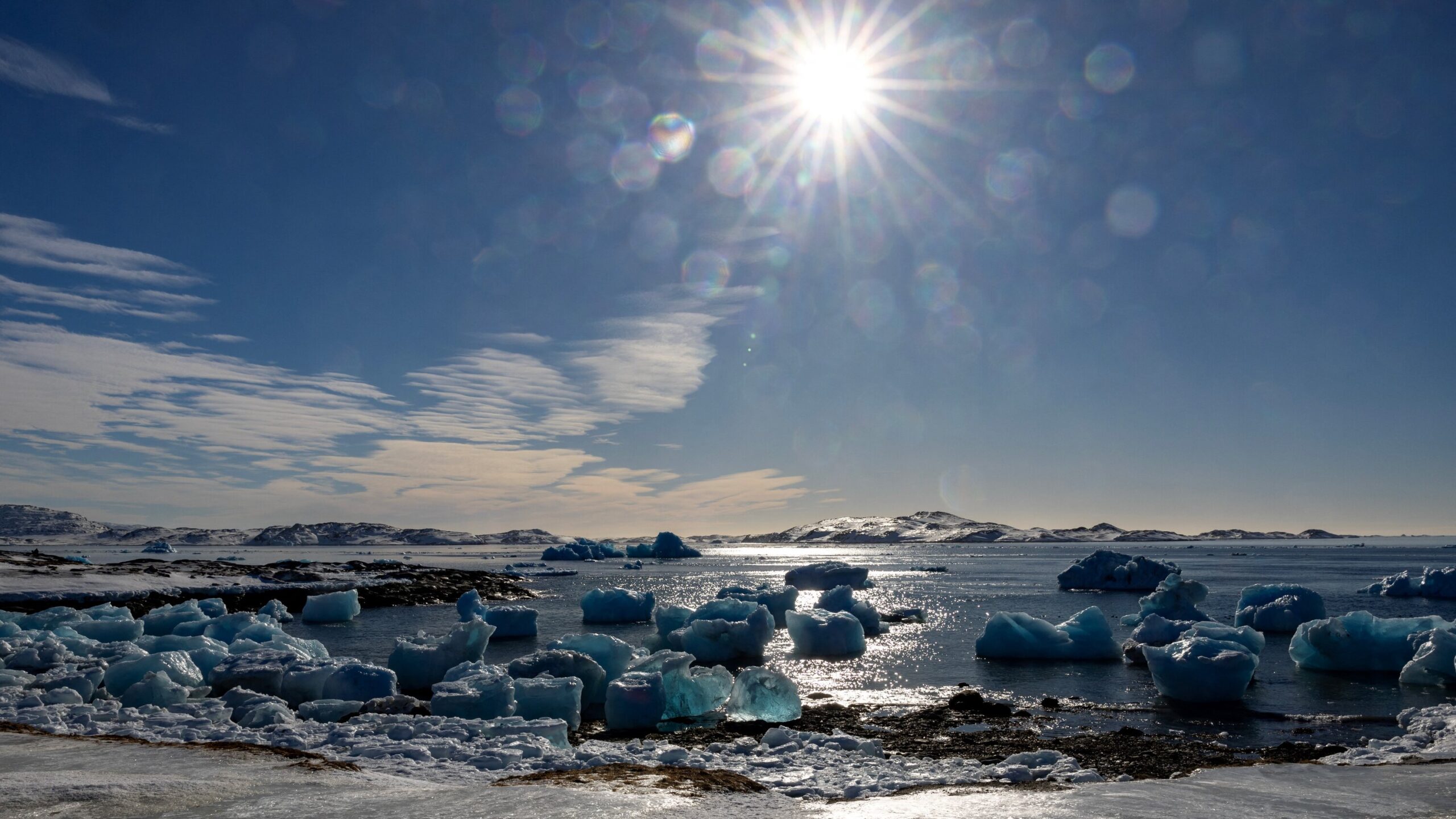
Global sea ice levels have fallen to record lows, sparking renewed concerns among scientists about the accelerating pace of climate change and its long-term environmental consequences. Recent observations indicate a significant decline in both Arctic and Antarctic ice coverage, with warmer ocean temperatures and shifting weather patterns playing a major role in the rapid melt.
Experts warn that shrinking sea ice not only contributes to rising global sea levels but also disrupts delicate ecosystems that depend on ice for survival. Species such as polar bears, seals, and penguins are increasingly at risk as their natural habitats continue to diminish. In addition, the loss of reflective ice surfaces allows more solar energy to be absorbed by the oceans, further intensifying global warming in a dangerous feedback loop.
Researchers emphasize that the decline in sea ice could have far-reaching impacts on global weather systems, potentially leading to more extreme events such as heatwaves, storms, and altered rainfall patterns. Coastal communities around the world may also face increased risks from flooding and erosion.
Scientists are urging immediate and coordinated global action to reduce greenhouse gas emissions and limit further damage. Without significant intervention, the continued loss of sea ice could have irreversible consequences for the planet’s climate system. News as reported

- upgraderz.aws@gmail.com
- upgraderz.aws@gmail.com
- upgraderz.aws@gmail.com
- upgraderz.aws@gmail.com