

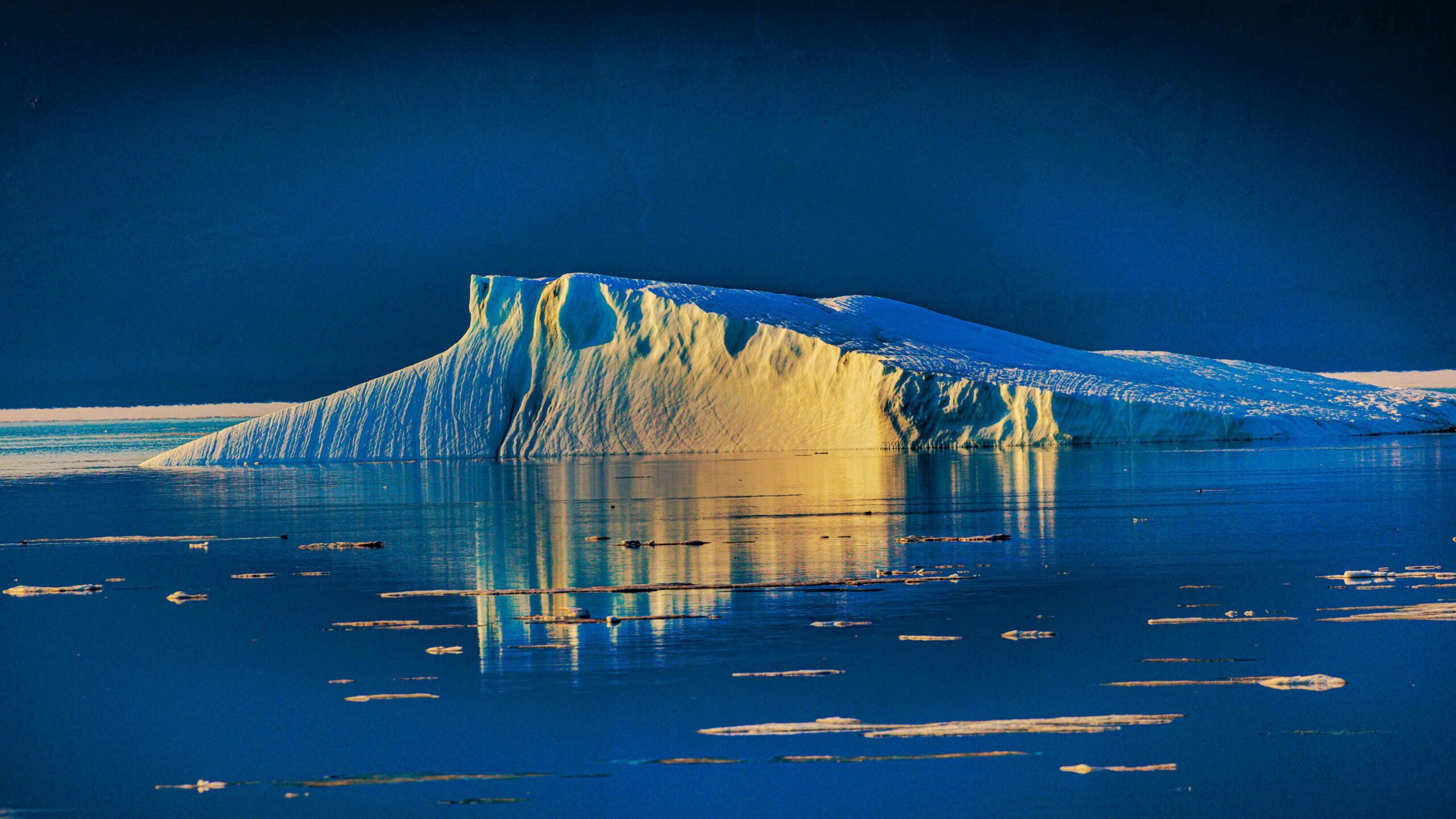
Scientists are raising urgent concerns after new data revealed that global sea ice levels have fallen to record lows, highlighting the growing impact of climate change on Earth’s polar regions. Observations from satellites and climate monitoring agencies, including NASA and National Oceanic and Atmospheric Administration, show that ice coverage in both the Arctic Ocean and around Antarctica has declined significantly compared with long-term averages.
Researchers say the loss of sea ice is happening faster than expected due to rising global temperatures caused largely by greenhouse gas emissions. Sea ice plays a crucial role in regulating the planet’s climate by reflecting sunlight back into space. When ice melts, darker ocean water absorbs more heat, creating a feedback effect that accelerates warming and leads to even faster ice loss.
Scientists warn that shrinking sea ice could contribute to rising sea levels and increased coastal flooding in many parts of the world. The changes may also disrupt marine ecosystems and alter global weather patterns, potentially affecting storms, rainfall, and ocean circulation.
Experts are urging governments to strengthen climate action, reduce carbon emissions, and expand renewable energy efforts. Without urgent global measures, researchers say the rapid decline in polar ice could have serious long-term consequences for the planet’s climate, wildlife, and coastal communities. News as reported
