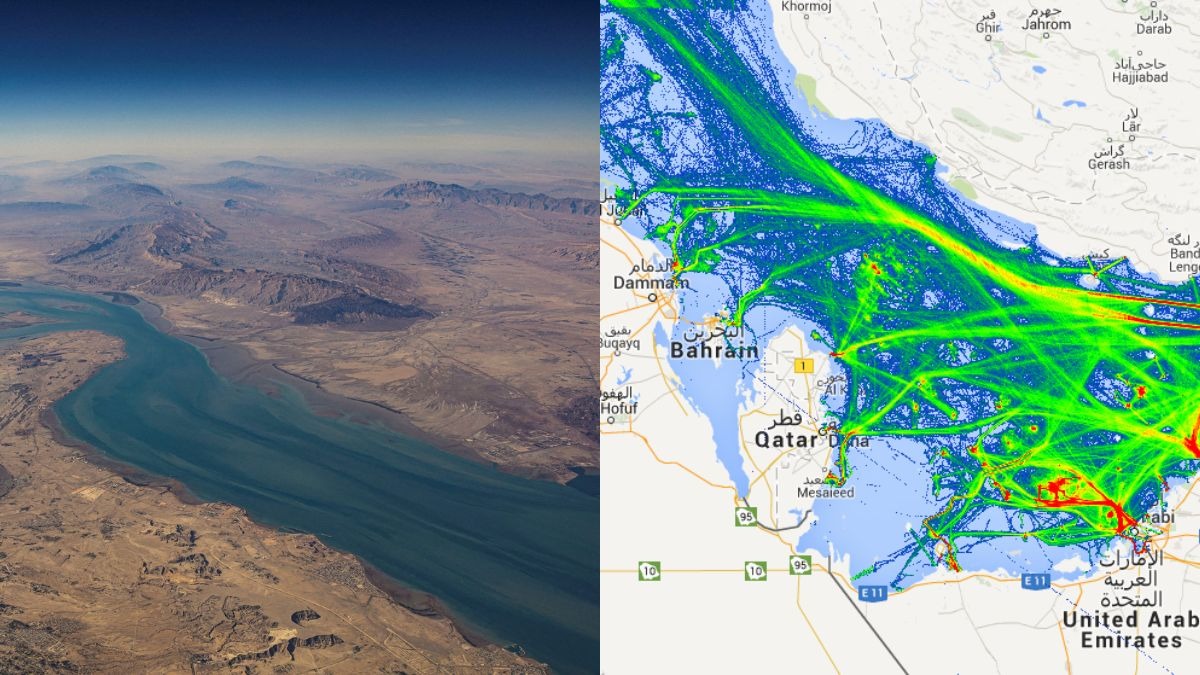
Global oil prices have surged past $100 per barrel as escalating tensions and attacks on shipping routes in the Persian Gulf disrupt global energy supplies and increase fears of a prolonged conflict in the Middle East. The sharp rise in crude prices marks the first time in several years that oil has crossed the $100 threshold, triggering volatility in global financial markets and raising concerns about inflation and economic instability.
The surge comes after a series of attacks on commercial vessels and oil tankers traveling through the Strait of Hormuz, one of the world’s most important energy corridors. Reports indicate that multiple ships were damaged during coordinated attacks in the Persian Gulf, creating panic among shipping companies and forcing many vessels to delay or reroute their journeys.
The Strait of Hormuz is a narrow maritime passage between Iran and Oman through which about 20% of the world’s oil supply normally passes each day. Disruptions to this route have a direct impact on global energy markets, as many major oil exporters—including Saudi Arabia, the United Arab Emirates, Iraq, and Kuwait—depend on the strait to transport crude oil to international markets.
Tensions have intensified after Iran signaled it could maintain control over the strategic waterway and potentially restrict ship movements as part of its response to recent military strikes by the United States and Israel. Analysts warn that any prolonged closure or disruption of the strait could severely limit global oil supplies and push prices even higher.
Energy markets reacted quickly to the uncertainty. Brent crude futures climbed above $101 per barrel, while West Texas Intermediate (WTI) also jumped sharply as traders worried about supply shortages and disruptions to tanker traffic. Global stock markets fell as investors assessed the economic impact of rising fuel costs and geopolitical instability.
International organizations and governments are now exploring emergency measures to stabilize the energy market. The International Energy Agency has announced plans for large releases from global oil reserves in an effort to ease supply pressures and calm market volatility.
Economists warn that if the conflict continues and shipping routes remain disrupted, oil prices could climb even further, potentially triggering higher transportation costs, rising food prices, and inflation across many economies. The situation has raised fears that the Middle East conflict could lead to one of the largest disruptions in global oil supply in decades. News as Reported.