

The heads of the International Energy Agency, International Monetary Fund, World Bank, and World Trade Organization have warned that the ongoing conflict in the Middle East is putting severe pressure on global energy supplies and creating economic risks for countries worldwide.
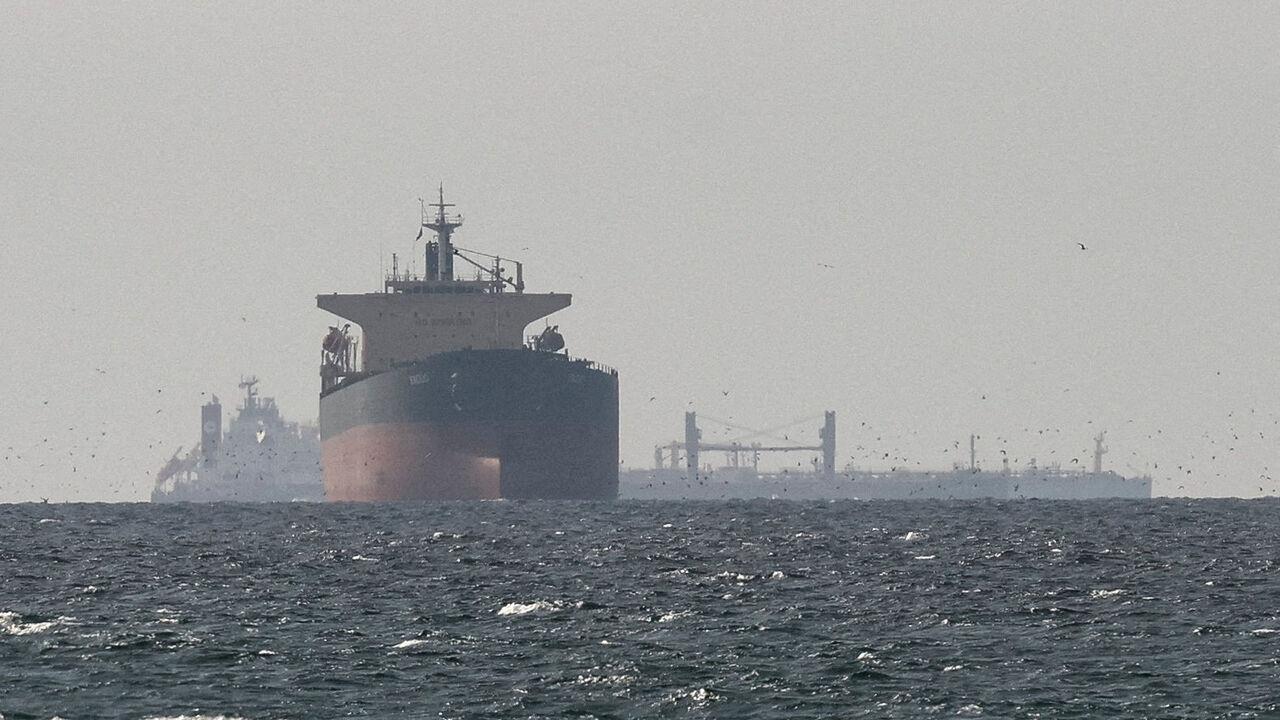
According to a joint statement released after high-level talks, disruptions linked to the U.S.–Israel conflict with Iran have affected trade routes, increased uncertainty in financial markets, and raised concerns about oil and gas shipments through the Strait of Hormuz, one of the world’s most important energy corridors. Nearly one-fifth of global oil shipments normally pass through the waterway.
The institutions said that while the global economy remains relatively resilient, poorer and energy-importing nations are facing the greatest challenges. Rising fuel prices, higher fertilizer costs, and supply-chain disruptions are increasing pressure on households, businesses, and governments. Officials also warned that prolonged shipping disruptions could rapidly reduce global oil inventories ahead of peak summer demand in the Northern Hemisphere.
Energy analysts say the crisis is already reshaping investment strategies worldwide, with governments and companies accelerating spending on liquefied natural gas (LNG), renewable energy projects, and alternative supply routes to reduce dependence on unstable regions. The International Energy Agency recently projected global natural-gas investment to reach its highest level in a decade as countries seek greater energy security.
Global leaders continue diplomatic efforts to stabilize the region, but economists warn that even if a ceasefire is extended, disruptions to energy markets could continue for months due to depleted inventories and ongoing uncertainty surrounding shipping routes and production facilities.


- upgraderz.aws@gmail.com
- upgraderz.aws@gmail.com
- upgraderz.aws@gmail.com
- upgraderz.aws@gmail.com