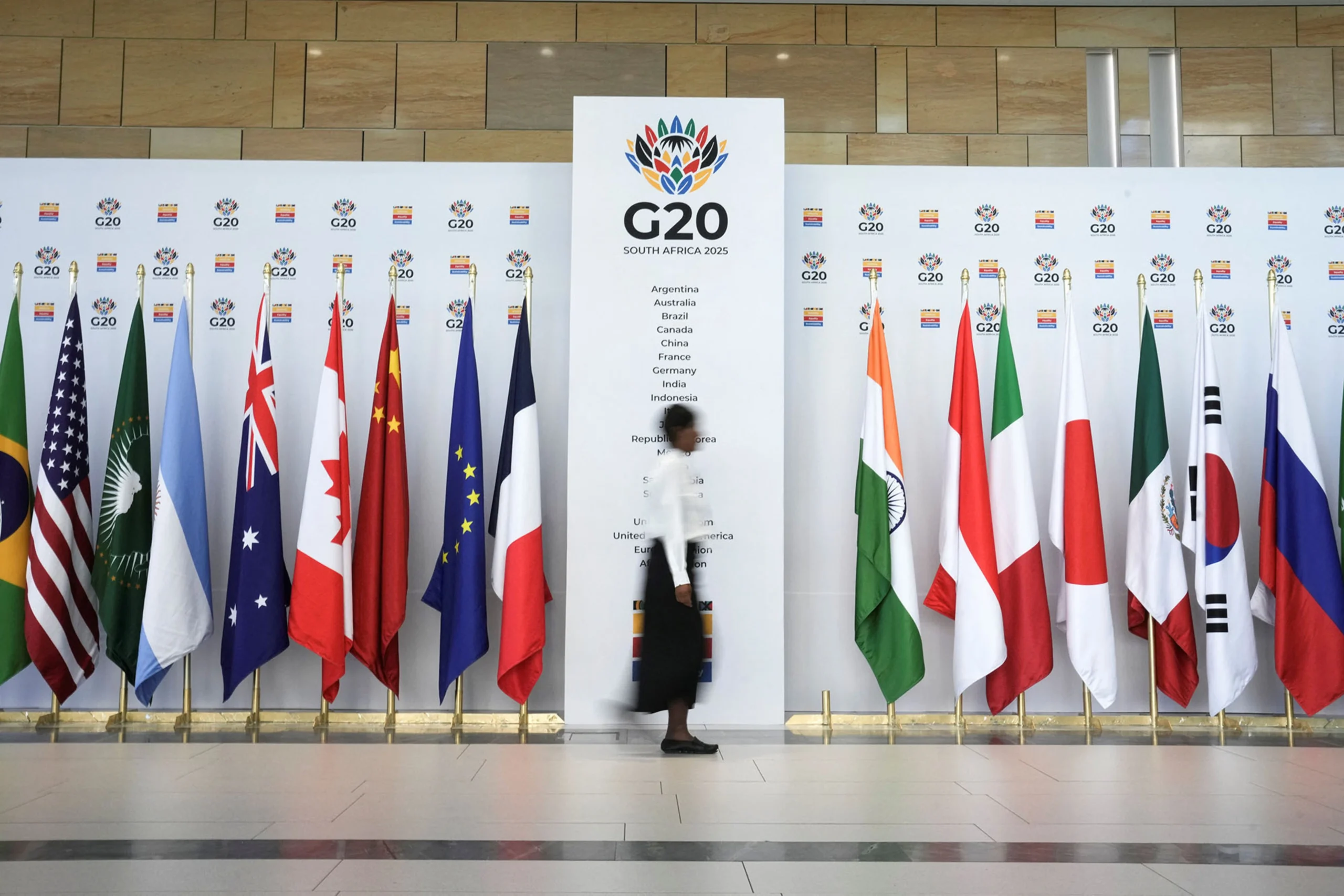
As economic uncertainty continues to cloud global markets, leaders and business figures from around the world are pushing for coordinated action to steer economies toward more stable growth. At a recent meeting of the Asia-Pacific Economic Cooperation (APEC) Business Advisory Council in Brisbane, senior figures expressed growing alarm over rising protectionism, regulatory complexity, demographic shifts and the uneven pace of economic recovery. They highlighted how these pressures are affecting trade flows, investment planning and business confidence and stressed that unified policy responses are necessary to counter fragmentation in the global economic landscape.
APEC leaders reaffirmed commitments to free, fair and rules-based trade as part of a broader effort to address global uncertainty, calling for tangible solutions such as resilient supply chains, digital trade facilitation and greater cooperation on emerging technologies like artificial intelligence. They argued that joint approaches to trade, infrastructure investment and economic governance can help sustain long-term prosperity and reduce systemic risks facing interconnected economies.
In parallel, other international forums have seen policymakers and economic officials underscore the urgency of multilateral cooperation to tackle slow growth, inflationary pressures and geopolitical tensions that continue to impact markets worldwide. Building shared economic frameworks and reinforcing global institutions remains central to these calls for unified strategies to navigate uncertainty. News as reported