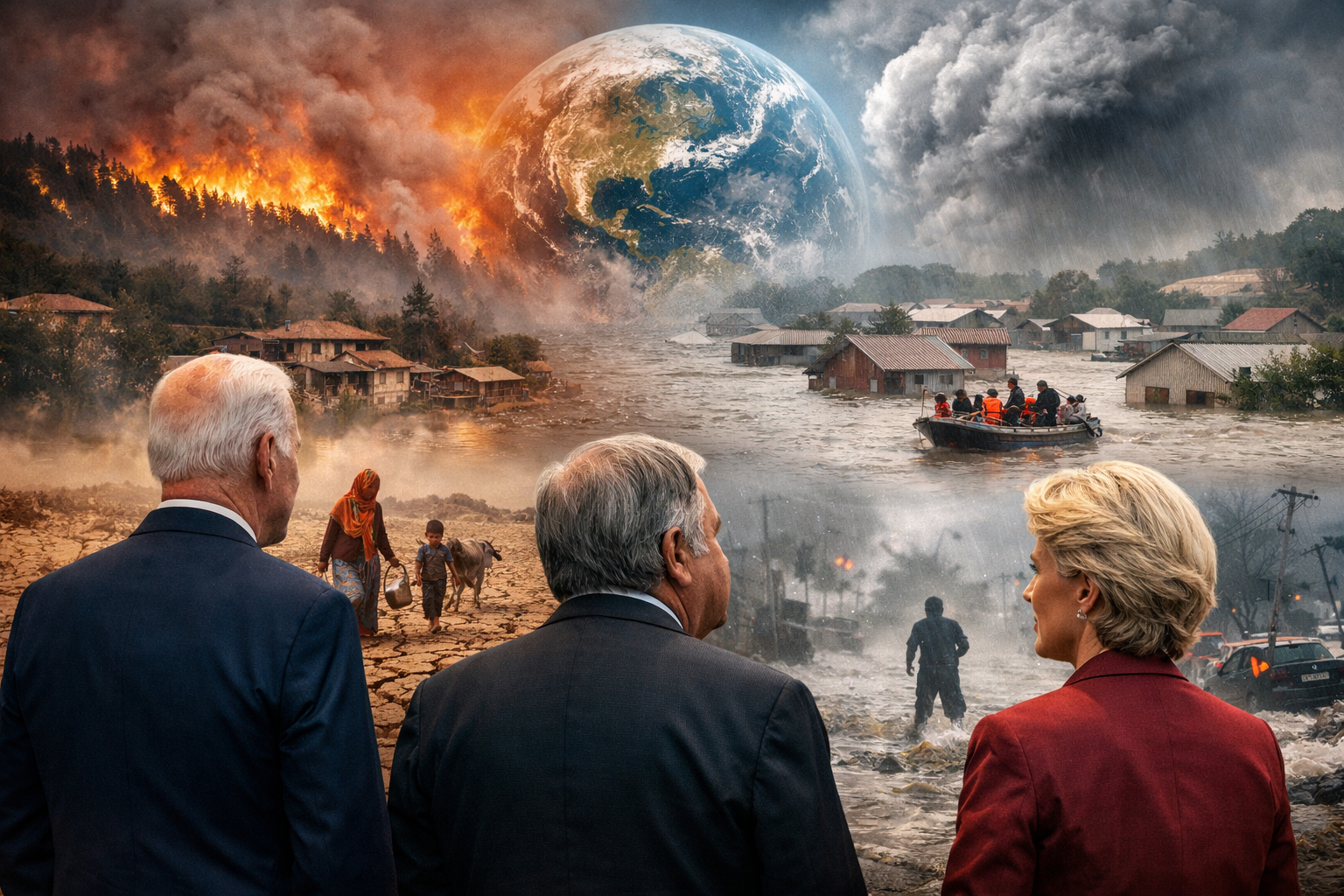
Global leaders and international organizations are intensifying calls for urgent climate action as climate extremes disrupt multiple regions, highlighting escalating humanitarian and economic impacts. The recent G20 Summit in Johannesburg marked a rare focus on disaster risk reduction and resilience, with leaders adopting a declaration to strengthen coordinated efforts against climate-driven disasters—acknowledging that more frequent and severe events are reversing development gains and disproportionately affecting vulnerable nations.
At the same time, United Nations Secretary-General António Guterres reiterated that no country is safe from the effects of extreme weather, urging a rapid expansion of early warning systems and stronger climate action during a World Meteorological Organization event.
Scientific data underscores the severity of the crisis: a recent study estimated that human-induced climate change has doubled extreme heat days for nearly four billion people, exacerbating heatwaves, health crises, and infrastructure strain across continents.
Meanwhile, humanitarian appeals reflect the human toll of these extremes—such as in Kenya where drought and floods have prompted a major emergency funding appeal to support millions facing hunger, water scarcity and disease outbreaks.
Experts warn that without accelerated mitigation and adaptation—including early warnings, resilient infrastructure, and emissions reductions—the intensity and frequency of climate disasters will continue to grow, affecting food security, health, and global stability.