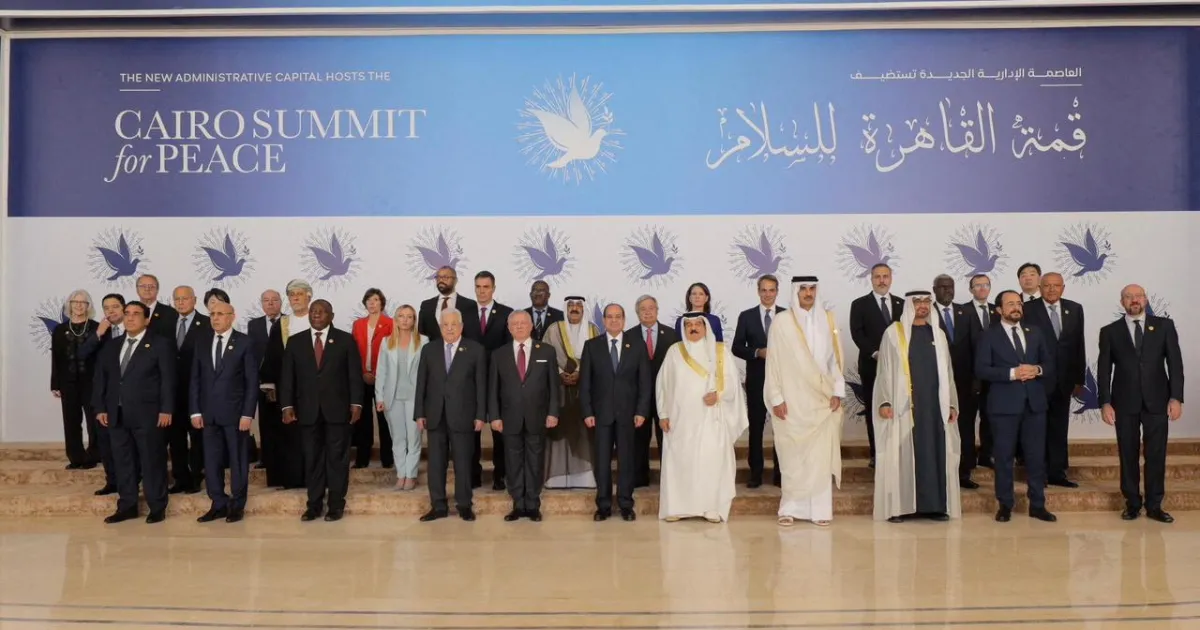
In recent months, world leaders and diplomats have intensified efforts to defuse escalating regional tensions that threaten broader instability across multiple hotspots. A key focus has been on reducing the risk of wider conflict in the Middle East, where rising clashes between Israel and Iran have alarmed the international community and prompted repeated calls for restraint and negotiations. Governments around the world — including China, European nations, and members of the United Nations — have urged all parties to pursue diplomatic channels to prevent further escalation and promote dialogue toward a negotiated settlement.
Simultaneously, smaller but significant diplomatic breakthroughs have been reported in Southeast Asia, where Thailand and Cambodia agreed to a ceasefire after weeks of intense border clashes, with regional partners emphasizing the importance of sustained negotiations and monitoring.
Outside of these theaters, countries such as Oman have taken an active role in convening foreign ministers to discuss peace initiatives and reinforce the need for political solutions rather than military escalation, particularly in contexts involving Gaza and broader regional tensions.
These collective diplomatic engagements reflect a growing consensus among global leaders that multilateral dialogue and restraint are essential to managing current flashpoints and preventing them from spiraling into larger conflicts — efforts that analysts say will require continued commitment and cooperation. news as reported.