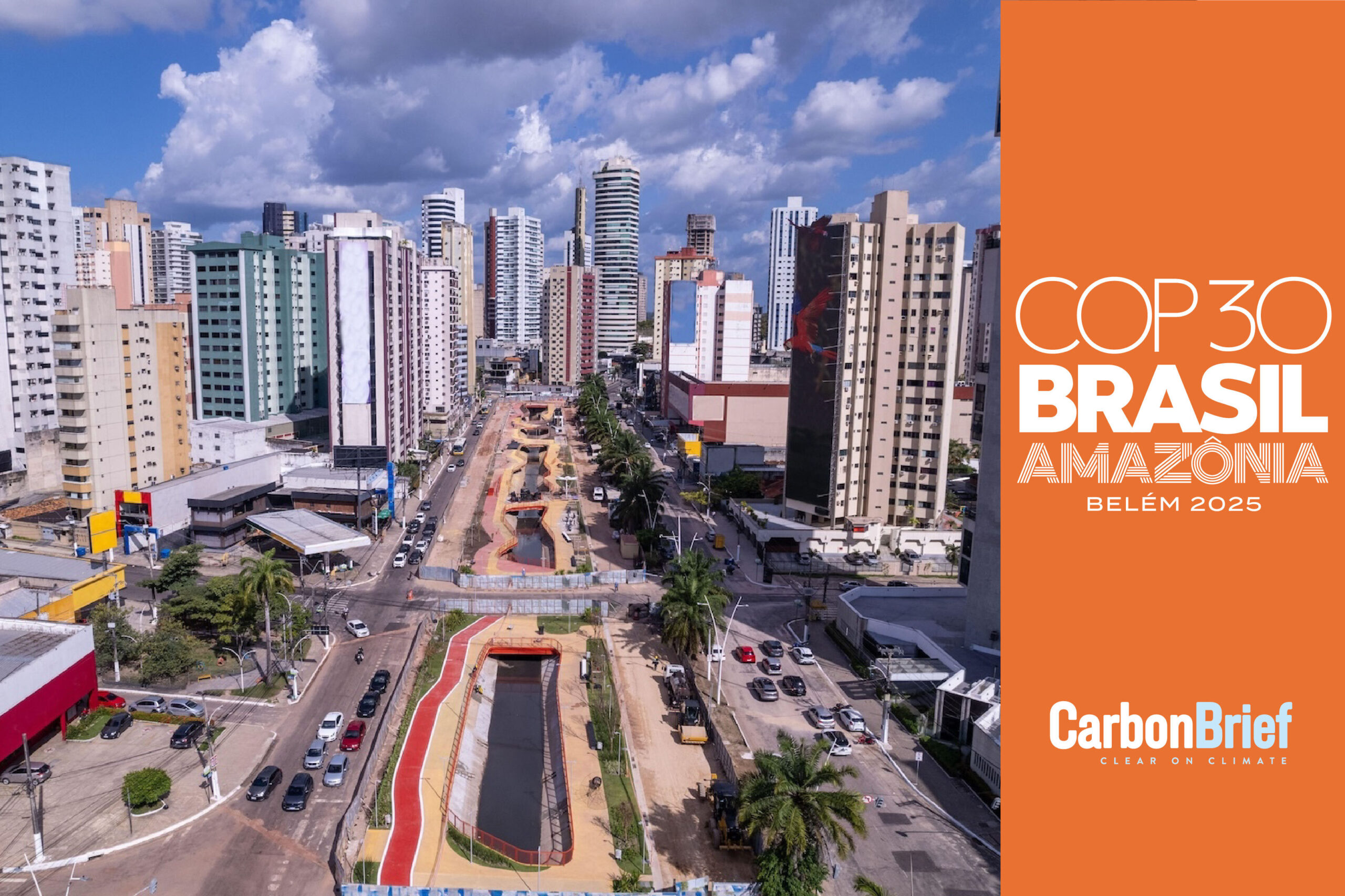
At the 2025 United Nations Climate Change Conference (COP30) in Belém, Brazil, global leaders and climate negotiators endorsed a strategic framework to accelerate climate financing aimed at helping developing countries tackle both mitigation and adaptation challenges. The summit reaffirmed the roadmap first outlined at COP29 in Baku — known as the Baku to Belém Roadmap — which sets a path to mobilise at least USD 1.3 trillion per year in climate finance by 2035, a significant scale-up from prior commitments. This framework guides cooperation among governments, multilateral development banks, private investors, and civil society on scaling financial flows to meet ambitious climate goals.
The roadmap identifies key priority areas, including grants and concessional funding, enhancing fiscal space and debt sustainability for vulnerable nations, attracting transformative private capital, and strengthening institutional capacity for large-scale climate investment. While the agreement does not yet include binding obligations on specific contributions, it represents a shared political commitment to accelerate financing mechanisms and improve alignment with the objectives of the Paris Agreement — especially in support of developing countries facing the greatest climate impacts.
Negotiators and finance ministers stressed that the success of this financial acceleration will depend on concrete follow-through, including transparent tracking, innovative financial instruments, and broader engagement with non-state actors across public and private sectors — efforts expected to deepen through 2026 and beyond as reported news as reported.