

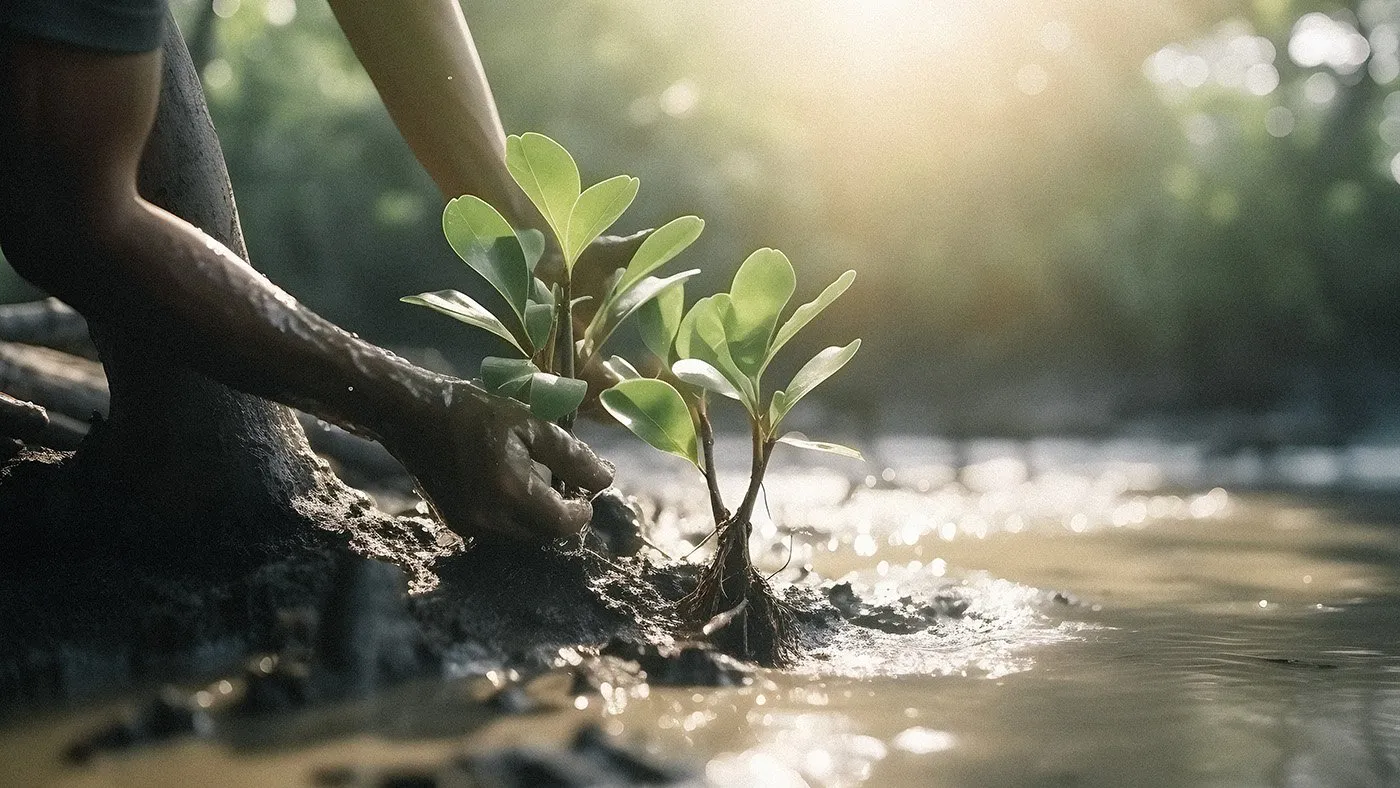
Efforts to restore wetlands and safeguard endangered ecosystems are gaining momentum worldwide, as governments, conservation groups, and local communities intensify actions to address environmental decline. Wetlands—ranging from marshes and mangroves to peatlands and floodplains—are increasingly recognized for their critical role in maintaining biodiversity, improving water quality, and acting as natural buffers against floods and storms.
Recent initiatives focus on large-scale restoration projects, including replanting native vegetation, reviving degraded habitats, and implementing sustainable land-use practices. Countries across Asia, Africa, and Europe have announced new protected areas and conservation programs aimed at reversing decades of wetland loss caused by urbanization, agriculture, and pollution.
Scientists highlight that wetlands are among the most productive ecosystems on Earth, supporting a wide variety of plant and animal species, many of which are endangered. They also play a vital role in carbon storage, helping to mitigate climate change by absorbing significant amounts of greenhouse gases.
In addition to ecological benefits, these restoration efforts are expected to support local livelihoods by improving fisheries, agriculture, and water security. Experts stress that continued investment, policy support, and community participation are essential to ensure the long-term success of these initiatives and to protect these fragile ecosystems for future generations. News as reported

- upgraderz.aws@gmail.com
- upgraderz.aws@gmail.com
- upgraderz.aws@gmail.com
- upgraderz.aws@gmail.com