

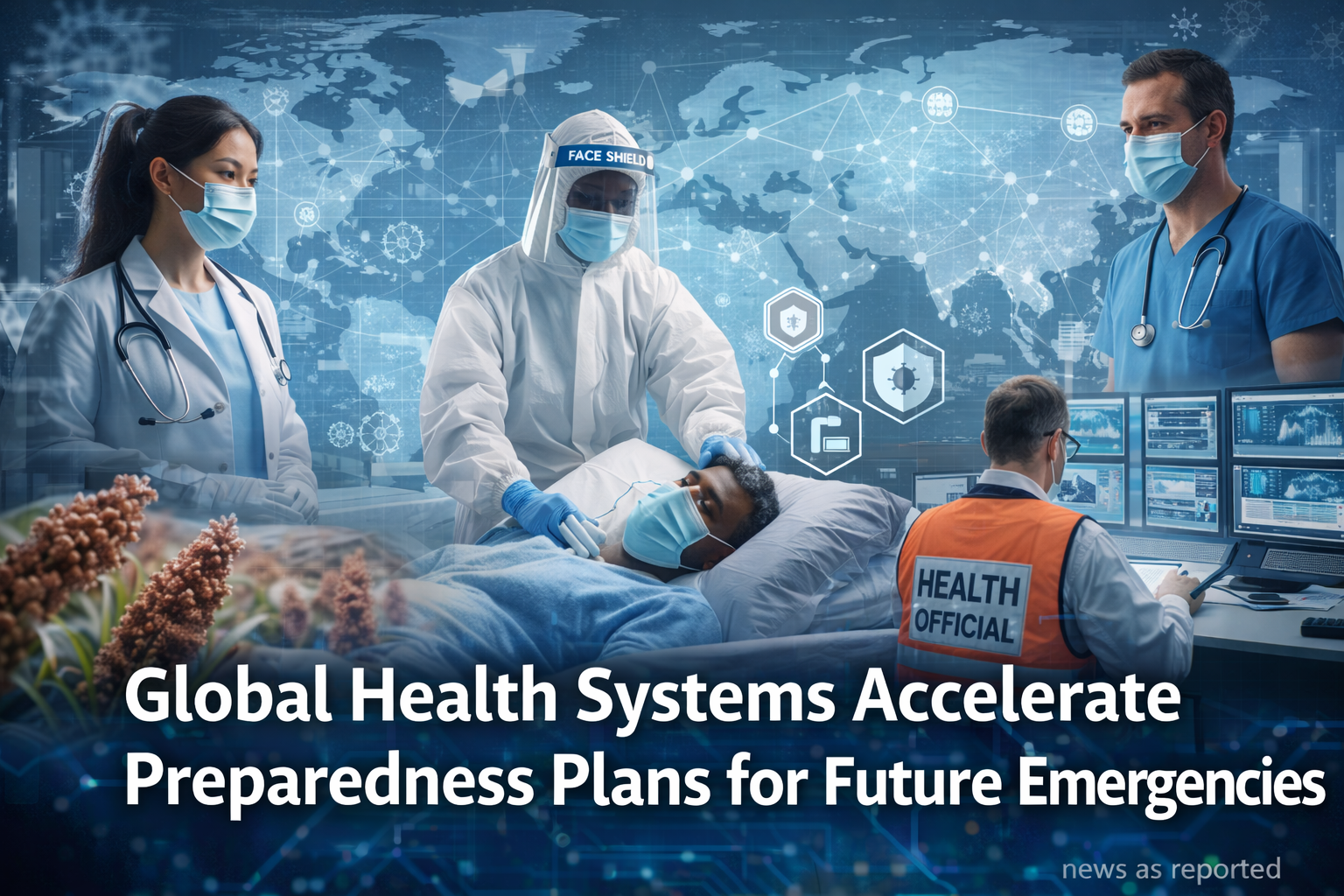
Health systems around the world are stepping up efforts to strengthen preparedness for future health emergencies and pandemics, as international organizations and governments roll out strategic plans, partnerships and tools designed to enhance resilience. Major progress was highlighted through several coordinated initiatives led by the World Health Organization (WHO) and its partners aimed at reducing risks and improving responses to emerging health threats.
A landmark achievement in 2025 was the adoption of the WHO Pandemic Agreement, a first-of-its-kind international legal framework aimed at improving global coordination for pandemic prevention, preparedness and response. The agreement is intended to foster fairer access to vaccines, medicines and diagnostics, and strengthen cooperation on surveillance and outbreak response across countries.
In parallel, health authorities are launching operational tools and collaborative networks. WHO’s updated Epidemic Intelligence from Open Sources (EIOS) system is now in use by over 110 countries, enabling faster detection of health threats. Complementing these efforts, national and regional projects—such as Tanzania’s Pandemic Fund initiative and emergency network launches in Africa and the Eastern Mediterranean—are enhancing disease surveillance, integrated response capacities and leadership coordination at local levels.
Experts say that by embedding preparedness into mainstream health planning, investing in data and early warning systems, and sustaining global cooperation, the world can be better equipped to face future crises and minimize their human and economic impact. news as reported.