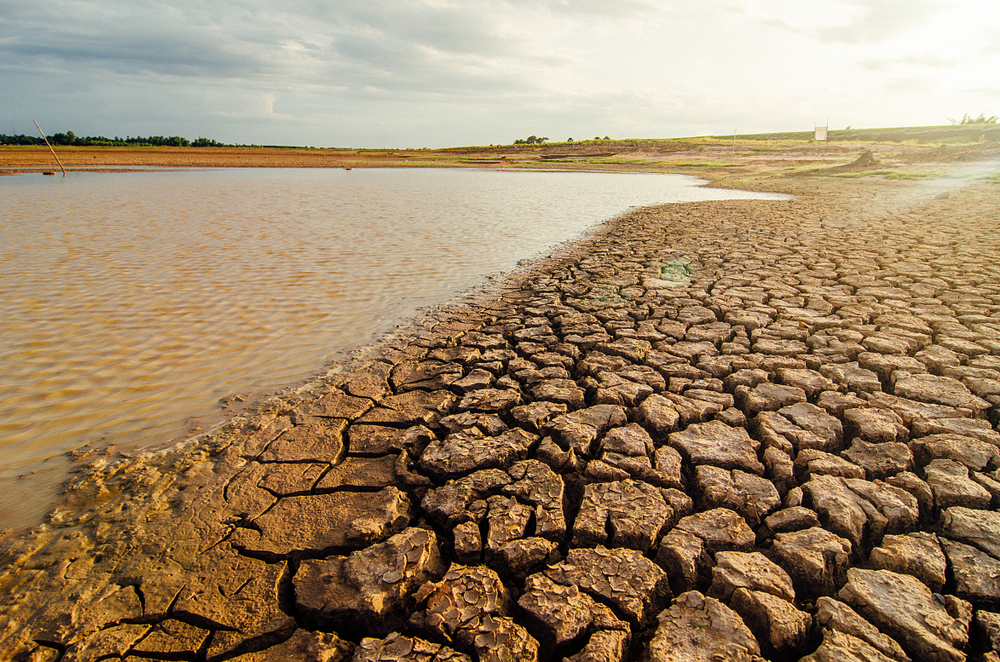
Global freshwater reserves are coming under severe strain as groundwater depletion accelerates across many regions, raising alarms about long-term water security, food production, and economic stability. Aquifers—natural underground reservoirs that supply nearly half of the world’s drinking water and a large share of irrigation—are being drained faster than they can naturally recharge.
Rapid population growth, urban expansion, and water-intensive agriculture are the primary drivers of this crisis. In many parts of Asia, the Middle East, Africa, and the Americas, excessive pumping for farming and industry has caused water tables to drop sharply, leading to wells running dry and increased energy costs for water extraction. Climate change is compounding the problem by altering rainfall patterns, intensifying droughts, and reducing surface water availability, which in turn pushes communities to rely even more heavily on groundwater.
Scientists warn that continued depletion could trigger land subsidence, salinization of freshwater sources, and irreversible damage to aquifer systems. These impacts threaten crop yields, disrupt ecosystems, and heighten the risk of water-related conflicts, particularly in already vulnerable regions.
Experts stress that urgent action is needed, including improved water governance, efficient irrigation practices, aquifer recharge initiatives, and stronger monitoring systems. Without coordinated global and local efforts, groundwater loss could undermine resilience to climate change and push many regions toward a state of chronic water scarcity – News as reported