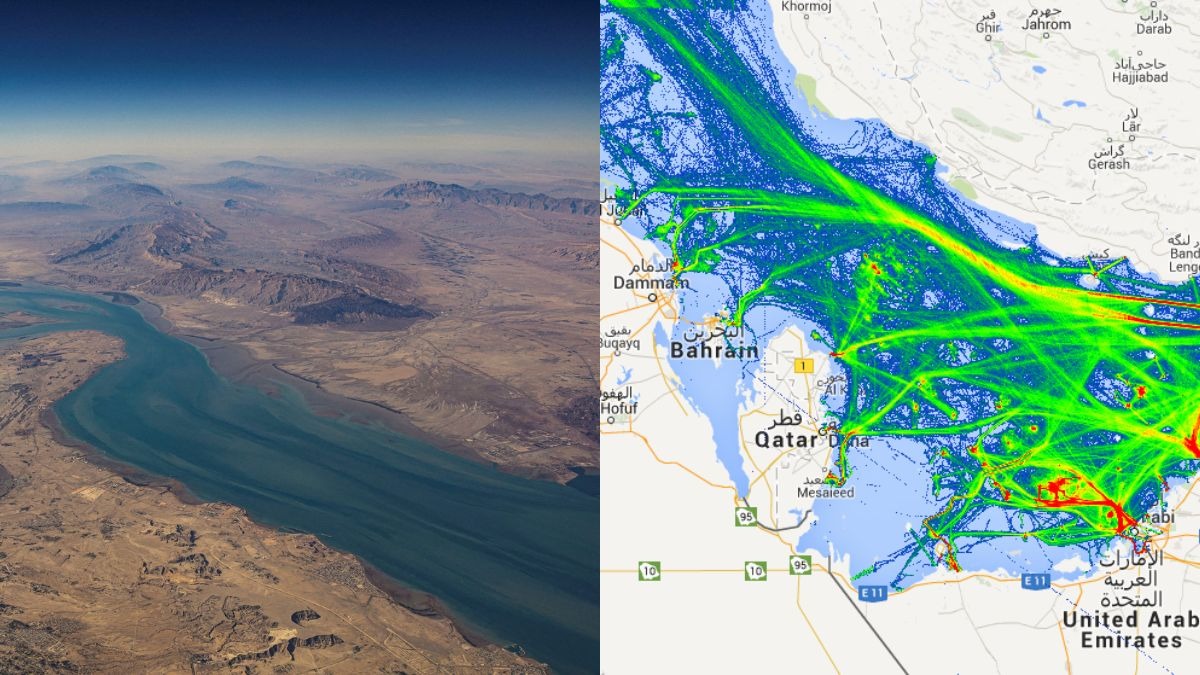
Global energy markets are experiencing heightened uncertainty as escalating geopolitical conflicts disrupt key supply chains and threaten the stability of oil and gas flows worldwide. Recent military tensions involving Iran, the United States, and regional allies have affected major energy production and shipping routes, particularly around the strategically important Strait of Hormuz. This narrow waterway carries roughly 20% of the world’s oil supply, making any disruption a serious concern for global energy security.
Oil prices have surged in recent days as investors react to fears of supply shortages and potential damage to energy infrastructure in the Middle East. Benchmark crude prices climbed to their highest levels in more than a year after reports of shipping disruptions and military activity across the region.
Energy companies and governments are also scrambling to adapt as supply chains tighten. Petrochemical producers in Asia have warned of possible production cuts due to shortages of key feedstocks, while some countries are exploring alternative suppliers to stabilize domestic energy markets.
Meanwhile, global leaders and financial institutions are monitoring the situation closely, warning that prolonged conflict could increase inflation, disrupt global trade, and slow economic growth. Analysts say energy markets will remain volatile until diplomatic efforts reduce tensions and restore confidence in international supply routes, news as reported.