

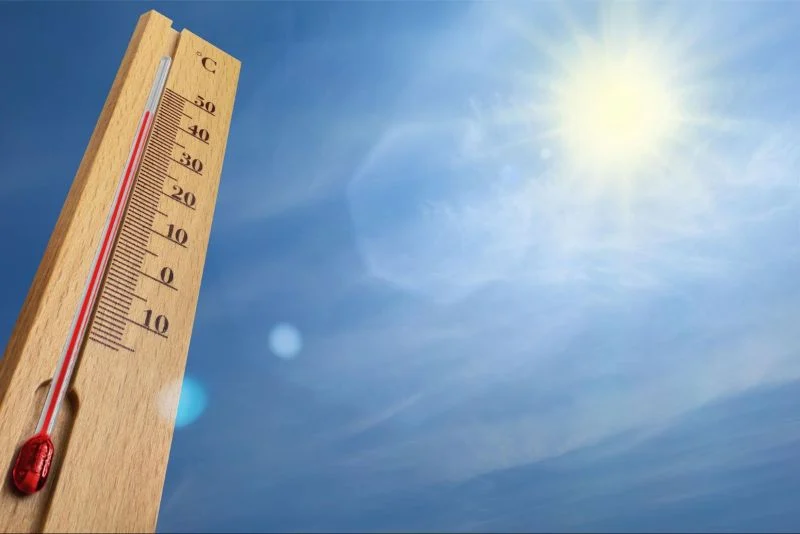

As global temperatures continue to rise, cities around the world are renewing efforts to address the growing challenge of urban heat. Prolonged heatwaves and higher average temperatures are increasing health risks, straining energy systems, and reducing overall quality of life for urban residents, particularly the elderly and vulnerable communities.
Urban areas are especially affected by the “urban heat island” effect, where concrete, asphalt, and dense infrastructure absorb and retain heat. In response, city governments and planners are turning to innovative heat management strategies. These include expanding green spaces, planting trees, installing green roofs, and using reflective or “cool” materials on buildings and roads to reduce heat absorption.
Public health agencies are also strengthening heat action plans, introducing early warning systems, and establishing cooling centers during extreme heat events. In some cities, new building regulations now require heat-resilient designs that improve ventilation and energy efficiency.
Technology is playing an increasing role, with data-driven tools helping cities map heat hotspots and prioritize interventions. However, experts emphasize that long-term success depends on inclusive planning and sustained investment. As climate change accelerates, managing urban heat is becoming a critical priority to protect public health, improve resilience, and ensure cities remain livable in a warming world.
