


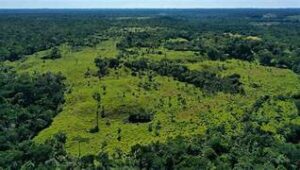
Around the world, governments, environmental organizations, and local communities are stepping up efforts to restore degraded forest landscapes as concerns over climate change, biodiversity loss, and land degradation intensify. Forest restoration initiatives aim to revive damaged ecosystems by replanting native trees, improving soil health, and supporting sustainable land management practices.
According to environmental experts, restoring forests is one of the most effective natural solutions for absorbing carbon dioxide from the atmosphere while also protecting wildlife habitats and water resources. Large-scale programs in Africa, Asia, and Latin America are focusing on transforming deforested and degraded land into productive and resilient ecosystems. Initiatives such as tree-planting campaigns, agroforestry projects, and community-led conservation efforts are gaining momentum.
International cooperation has played a key role in accelerating progress. Global pledges encourage countries to restore millions of hectares of forest land by 2030, aligning restoration goals with climate and sustainable development targets. Technology is also supporting these efforts, with satellite monitoring and data tools helping track forest recovery and guide planning.
Despite progress, challenges remain, including funding gaps, land-use pressures, and the need for long-term community involvement. Experts stress that successful forest restoration depends not only on planting trees, but on protecting existing forests and empowering local people to manage resources sustainably.
