

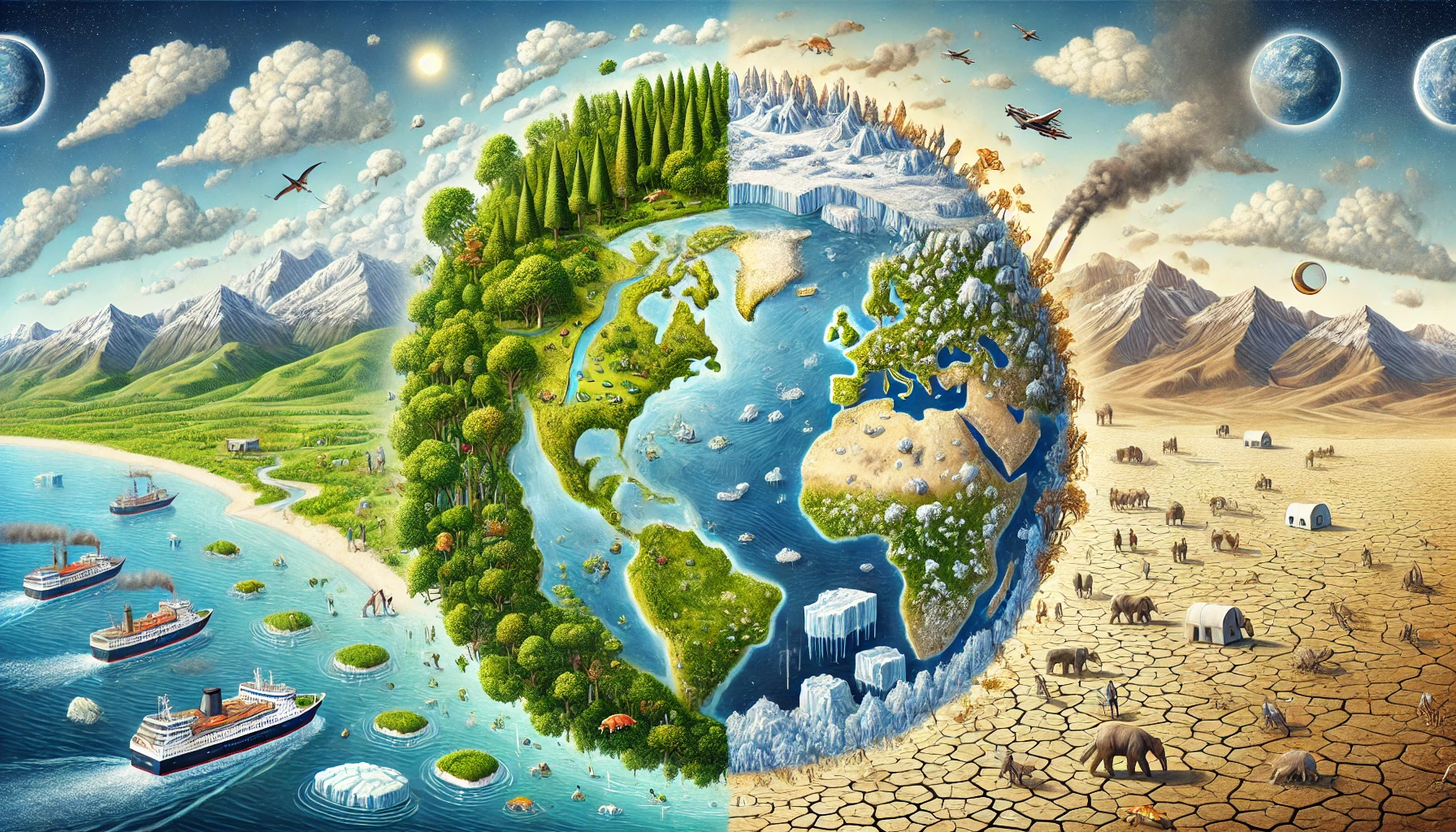
Growing concern is being voiced worldwide as biodiversity continues to decline at an alarming rate, with multiple ecosystems under increasing pressure from climate change and human activity. Scientists warn that habitat destruction, pollution, deforestation, and rising global temperatures are driving species loss across land and marine environments.
Forests, wetlands, coral reefs, and grasslands are among the most affected ecosystems, with many species struggling to adapt to rapidly changing conditions. The loss of biodiversity not only threatens wildlife but also disrupts essential ecosystem services such as pollination, water purification, and climate regulation.
Experts highlight that human activities, including urban expansion, intensive agriculture, and overexploitation of natural resources, are accelerating the crisis. Climate change is further intensifying these impacts by altering habitats and increasing the frequency of extreme weather events.
Conservationists are calling for urgent global action to protect and restore ecosystems, strengthen environmental policies, and promote sustainable practices. International cooperation is seen as critical to addressing the crisis, as biodiversity loss transcends national boundaries.
Scientists emphasize that preserving biodiversity is essential for maintaining ecological balance and ensuring long-term sustainability for future generations. News as reported