

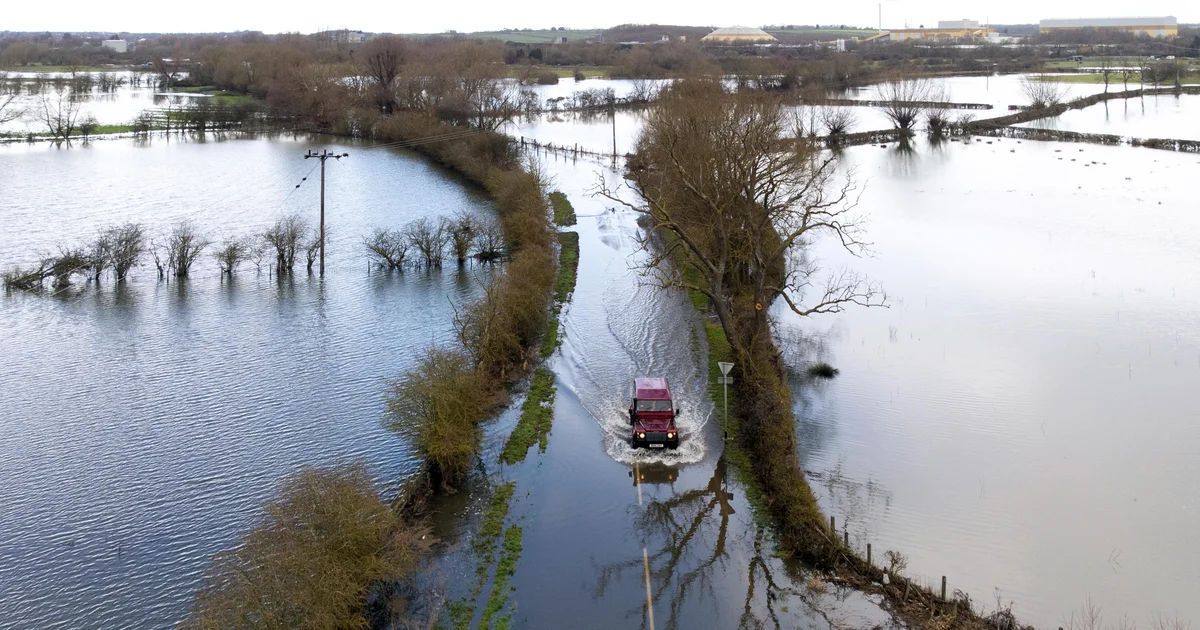
Recent global climate reports highlight a worsening environmental imbalance, with rising temperatures driving an increase in extreme weather events worldwide. From devastating wildfires and prolonged droughts to intense floods and heatwaves, millions of people are being affected across continents.
Scientists point to human-induced climate change as the primary cause, with greenhouse gas emissions continuing to warm the planet. Higher temperatures are drying out forests, making them more vulnerable to wildfires, while also intensifying evaporation and worsening drought conditions in already arid regions.
At the same time, a warmer atmosphere holds more moisture, leading to heavier rainfall and severe flooding in many parts of the world. These contrasting extremes—too much water in some areas and too little in others—are disrupting ecosystems, agriculture, and water supplies.
Communities are facing increasing challenges, including displacement, food insecurity, and health risks linked to pollution and extreme heat. Infrastructure systems are also under pressure as they struggle to cope with the frequency and intensity of these events.
Experts warn that without immediate and coordinated global action to reduce emissions and strengthen climate resilience, the impacts will continue to escalate. The reports serve as a stark reminder that climate change is not a distant threat but a present and growing global crisis affecting both people and the planet. News as reported
