

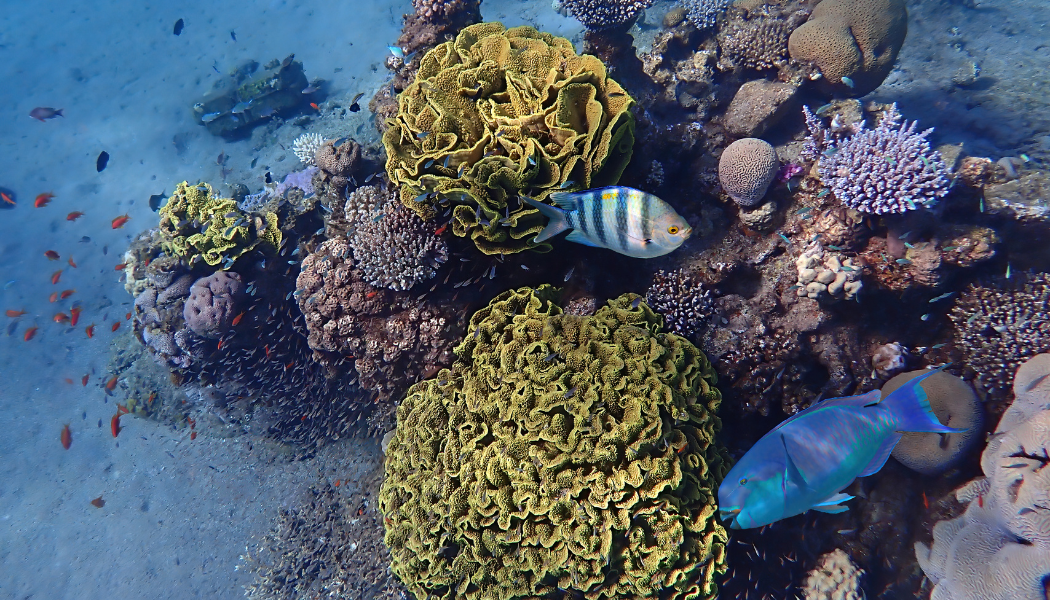
A landmark international biodiversity treaty has officially entered into force, marking a major step toward safeguarding the world’s oceans from accelerating environmental decline. The agreement aims to protect at least 30 percent of global marine areas by 2030 through the creation of vast networks of marine protected areas (MPAs), particularly in international waters beyond national jurisdictions.
The treaty responds to mounting scientific warnings that ocean ecosystems are under severe pressure from overfishing, pollution, climate change, and deep-sea exploitation. Currently, less than 10 percent of the oceans are effectively protected, leaving much of marine biodiversity vulnerable to irreversible damage. Supporters say the new framework provides long-awaited legal tools to conserve marine life in the high seas, which cover nearly two-thirds of the ocean.
Under the agreement, countries will cooperate to designate protected zones, regulate harmful activities, share marine genetic resources more equitably, and require environmental impact assessments for industrial projects at sea. The treaty also strengthens the role of science in decision-making and promotes financial and technical support for developing nations.
UN officials and conservation groups have hailed the treaty as a breakthrough for ocean governance, while cautioning that its success will depend on rapid implementation and strong enforcement. If fully realized, the pact could play a crucial role in restoring ocean health, supporting fisheries, and strengthening climate resilience worldwide – News as reported
