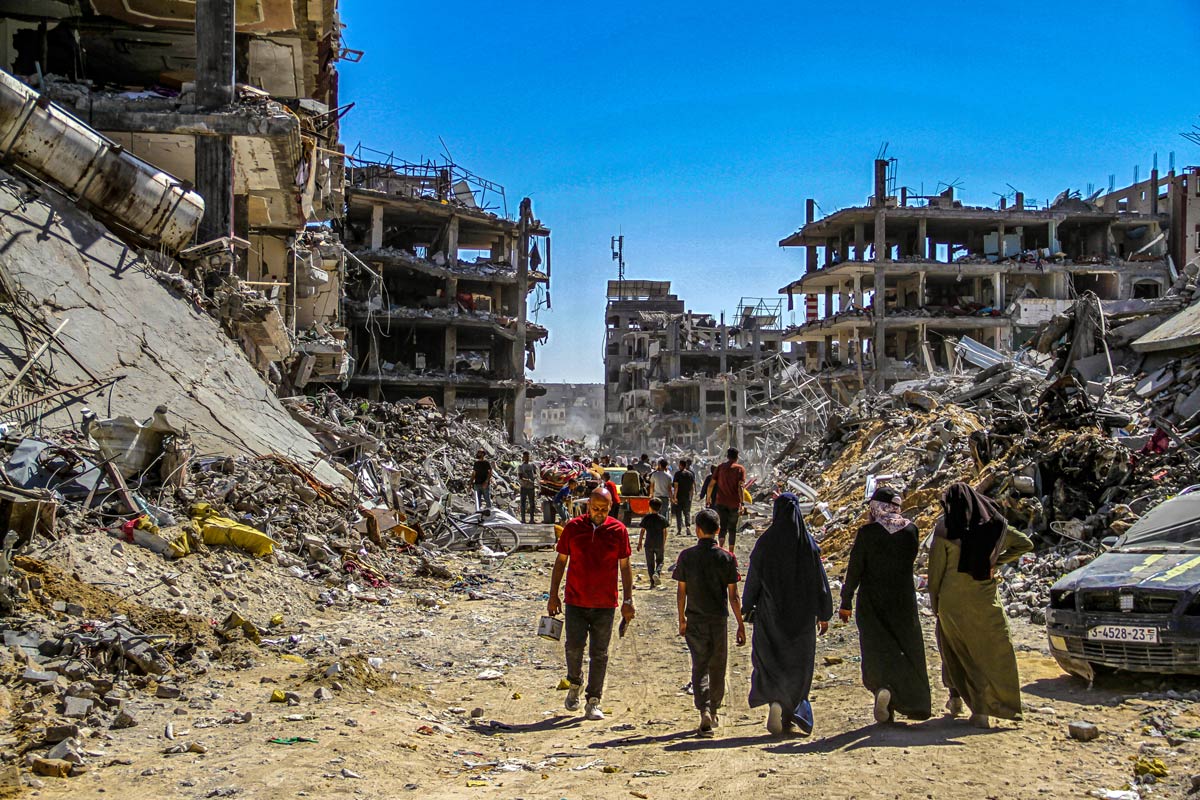
International observers report that the second phase of the Gaza ceasefire has begun under uncertain and fragile conditions, with ongoing violence, disputes over implementation, and pressing humanitarian challenges complicating efforts to solidify peace. According to recent coverage, the U.S. has announced the transition to phase two of a multi-stage Gaza ceasefire initiative aimed at demilitarisation, governance restructuring, and post-war reconstruction. This phase includes establishing a Palestinian technocratic committee to administer Gaza and a focus on disarming armed groups, under international supervision.
Despite this formal shift, violence has not fully stopped. Israeli strikes and reported ceasefire violations continue in parts of Gaza, leading to casualties and raising doubts about the truce’s durability. Israeli leadership has at times described the progression as largely symbolic, highlighting unresolved issues over key elements such as troop withdrawal and governance mechanisms. Many civilians still face severe shortages of food, shelter, and medical aid, and humanitarian agencies stress that access remains limited even as some improvements occur.
Observers warn that without clear political breakthroughs, sustained aid flows, and mutual adherence to commitments, the ceasefire’s second phase could struggle to deliver tangible relief or lead to long-lasting stability, underscoring the fragile nature of the current pause in hostilities news as reported.