

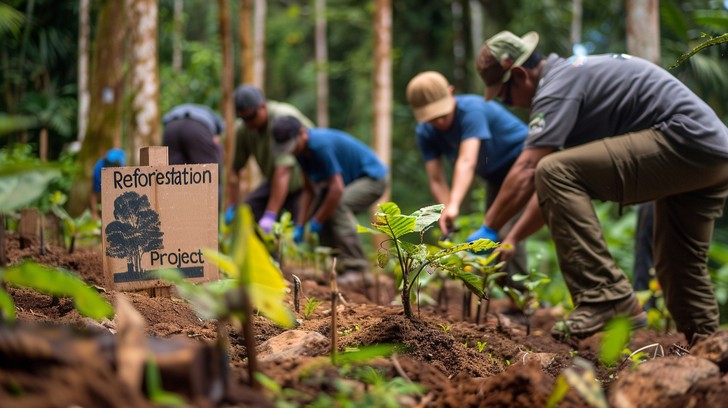
Forest conservation efforts are being expanded worldwide as governments and environmental organizations respond to growing threats to endangered ecosystems. Rapid deforestation caused by logging, agricultural expansion, mining, and urban development has placed immense pressure on forests that support rich biodiversity and millions of livelihoods.
New conservation drives focus on protecting critical habitats, restoring degraded forest land, and strengthening laws against illegal logging. Many countries are increasing the size of protected forest areas and working with local and Indigenous communities to manage resources sustainably. These communities play a vital role in conservation, as traditional knowledge often supports long-term forest protection.
Forests are essential in the fight against climate change, as they absorb large amounts of carbon dioxide from the atmosphere. Preserving and restoring forests helps reduce greenhouse gas emissions while protecting water sources, preventing soil erosion, and maintaining ecological balance. Endangered species such as orangutans, jaguars, and countless bird and plant species depend on healthy forest ecosystems for survival.
International cooperation is also growing, with global initiatives providing funding and technical support for conservation projects. Experts warn that without stronger and sustained action, forest loss could accelerate. Expanded conservation drives offer hope for safeguarding ecosystems, protecting biodiversity, and ensuring forests continue to benefit future generations.
